

The light breeze made the map flutter.
I had placed the pointed tip of a geometrical compass on the city of Hyderabad, Telangana, India and the other arm holding the pencil was stretched out by about two hundred kilometers, the circle that got formed captured fascinating locations that have stood the ravages of time and warranted a visit for sure.
Searching the history
Lofty structures as old as five hundred years or more would take a driver’s breath away who happened to have a pinch of love for history.
We had planned to spend a bright and a windy day in March to visit one of India’s many small towns that would take a traveler way back in time.
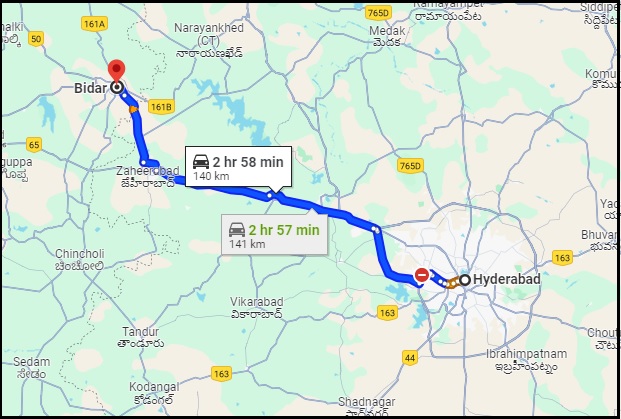
I had already chalked out the route to travel to the historical town of BIDAR.
The barren countryside
During those days, we had our trusted four-wheeler, the first generation Wagon R. She would be driving about one hundred fifteen kilometers northwest over NH65 to Zaheerabad, and then turn slightly right and take NH14 to head further north by another thirty-three kilometers.
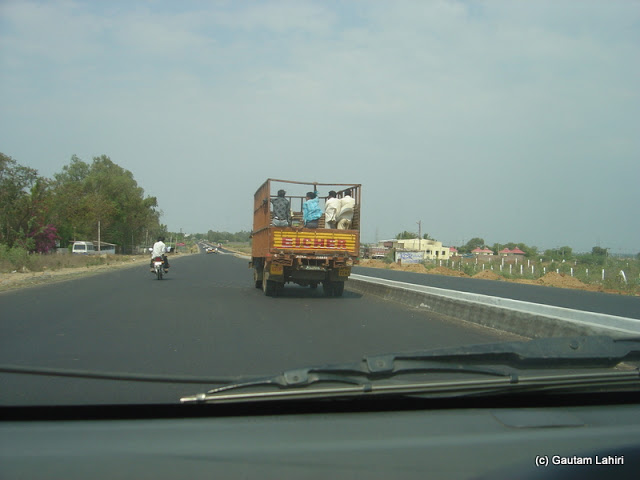
a typical country side of Hyderabad. Low two storied houses
dotted the skyline on either sides of the road
NH65 is also known as the Hyderabad-Mumbai highway that has the distinction of connecting the two cities spaced by six hundred kilometers.
The roads in the state of Telengana, India are nothing short of absolute driver’s delight.
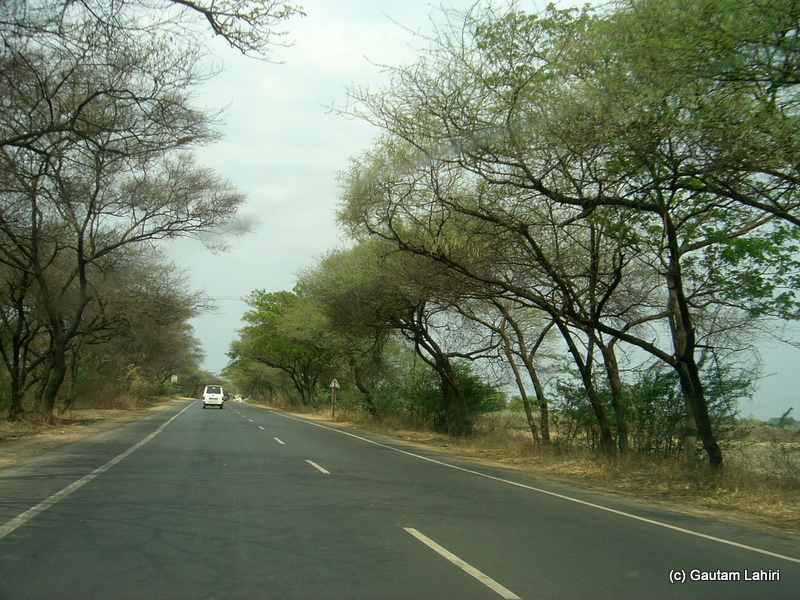
Extremely smooth and a motorist can unleash the full power of the vehicle. We did just that. The country side was a blend of yellow and brown and unlike, the deep greenery that we have been seeing in the Gangetic delta area, of West Bengal, the road to BIDAR ran through dry and parched lands.
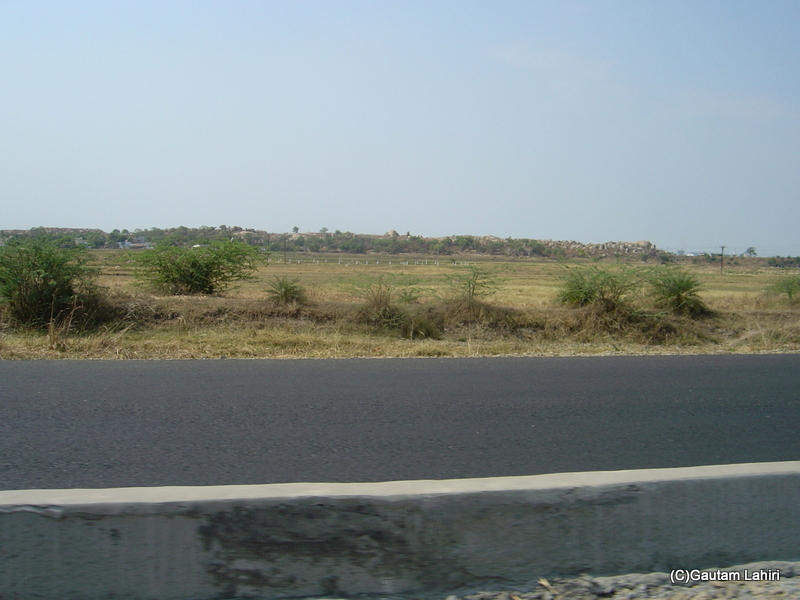
The cool morning air slowly turned warm as the
arid Deccan plains around us started to absorb the sun rays
Stony and thorny, both the ground and the trees looked devoid of moisture.
We overtook occasional trucks, that were taking a handful of factory workers to the nearby factories.
Highway edibles
The sweetish pungent smell from the sugar factories that were in large numbers ran wild in the buffeting wind as we sliced through the morning air.
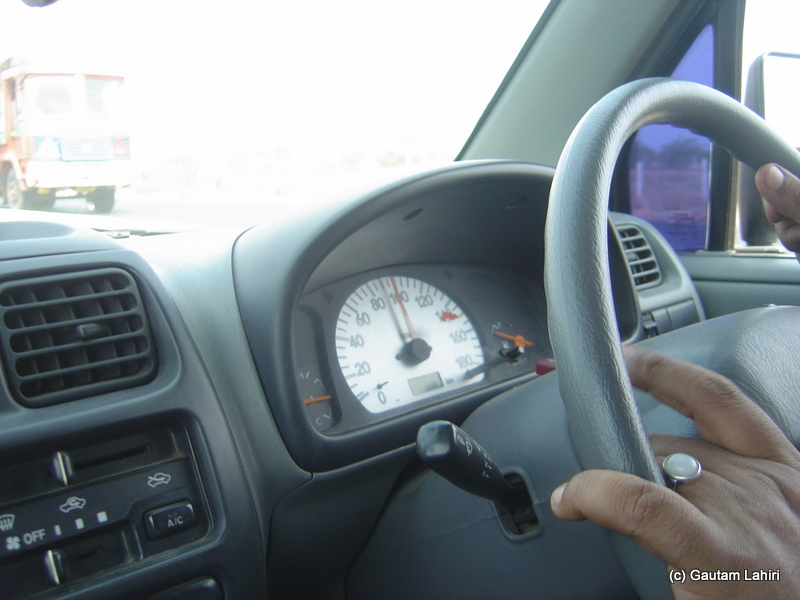
Into forty minutes, the road became desolate and the traffic thinned too. I stepped on the gas as 1100 cc engine changed its winning noise to a crescendo of raw power.
We wanted to spend as much of the day at BIDAR and return by 4 pm in the afternoon.
So, the engine was put on a constant scream.
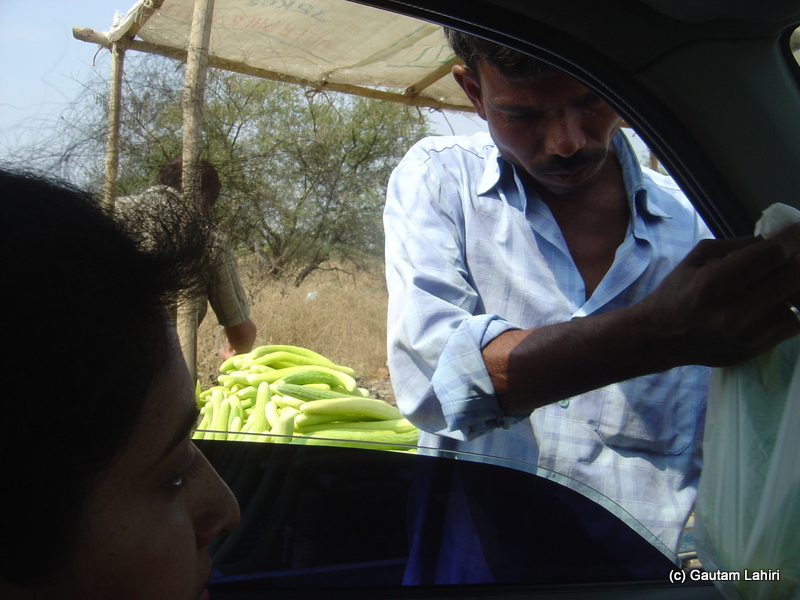
Even with the dryness around, we were presented with nature’s unique way of providing comfort to the dehydrated road users. Antidotes came in the form of ‘kakri’ or better known as Armenian cucumber.
They are a variant of cucumber family, much slender in girth, with parallel ridges and have a light coat of fur on it. Green and full of water. It has the power of tingling the taste buds when salt and chilly powder are added to it.
We stopped by and took a ten minutes break to feast on it.
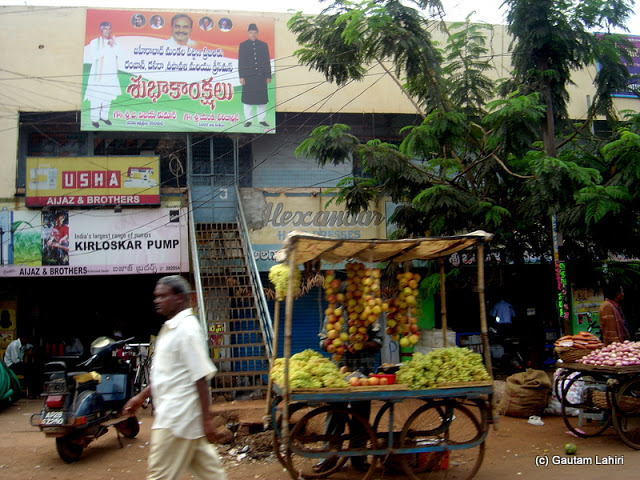
The highway passed through small hamlets that were selling crates laden with fruits. A dazzle of colors whistled past us.
The road character
As opposed to fruits carried on the head by vendors in the big cities, we found small four-wheeled carts stacked up with various shades of fruits. Grapes, apples, pomegranate, and bananas neatly decorated the wooden tables.
Instead of heavy meals, these provided good alternatives and were rather inexpensive and healthy.
Near Mirzapur, after turning off Zaheerabad, the road became congested.
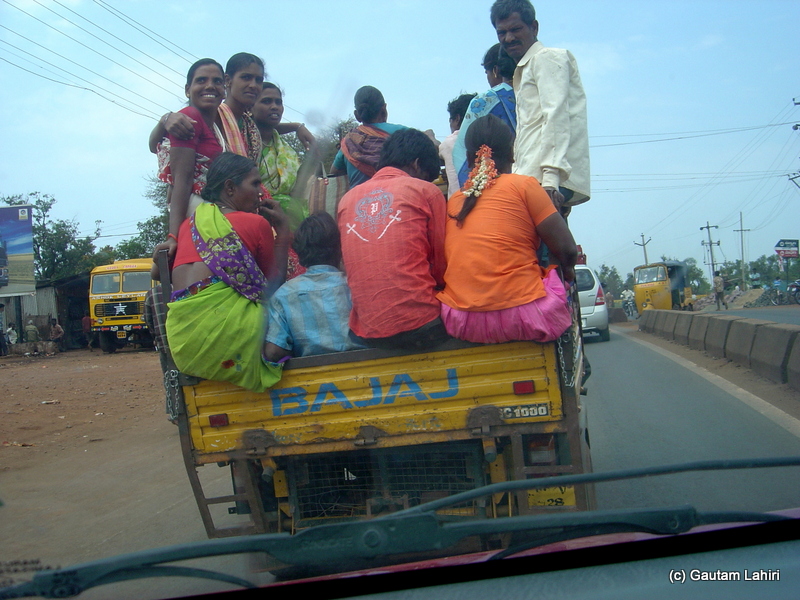
All sorts of travel-ready people movers swarmed the road.
The main beasts which flouted all the human-made road rules were small six feet long three-wheelers and carried luggage which ranged from packing cases, animals to human beings. They had a very irritating habit of suddenly changing directions without any indication.
The gyrating passengers had no fear at all of toppling over as the machines zigzagged their way through buses and bullock carts.
We were about ten kilometers from the old town of BIDAR.
BIDAR approaches
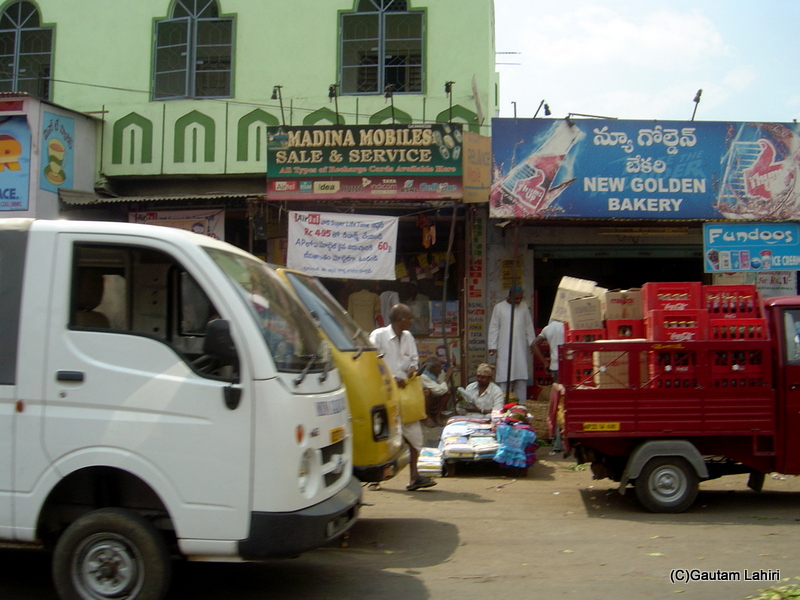
Traffic snarls killed our plans for a fast departure. Mosques, madrasas (schools) and shops of diverse nature crowded on to the highway.
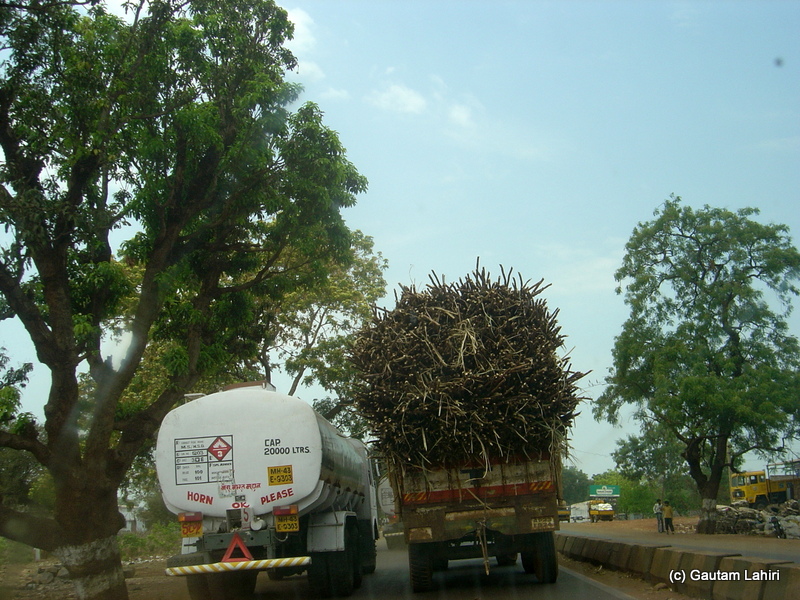
We knew that our high-speed drive earlier did not really go in vain. We aligned our nose with a huge trailer being hauled by a tractor.
The load she carried was several quintals of sugarcane for the nearby sugar factories. I tried to make a way between the trailer and a big fuel tanker. Gave up the idea of sneaking through them as the passage diminished.
Huge fuel bunkers could be seen in the distance where the tankers headed.
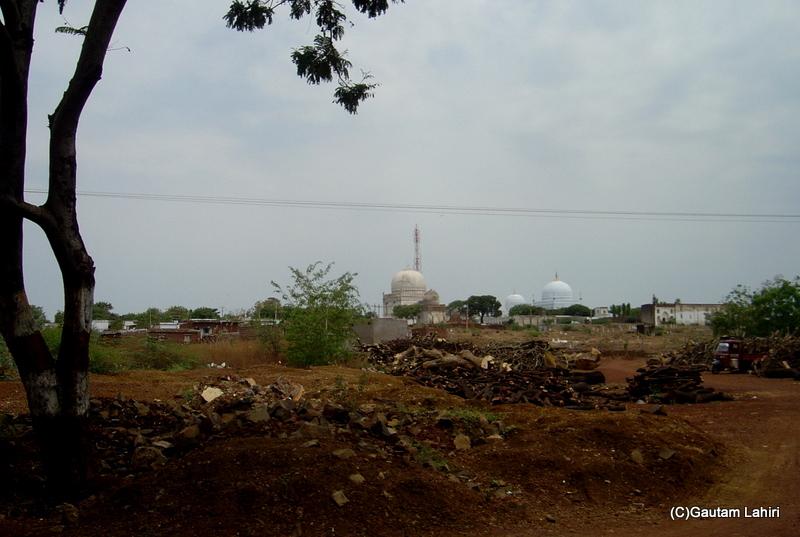
The road meandered inside into more edifices that adorned the surrounding
An Indian driver has to keep the reflexes absolutely razor sharp to prevent eventualities. The car becomes part of the driver’s body to keep it fully under control.
The scenario on the highway changed every minute. The crunch of gears, swing of the steering wheel, and clutch interplays seamlessly unfolded with every dissimilar movements the other drivers made.
BIDAR fort
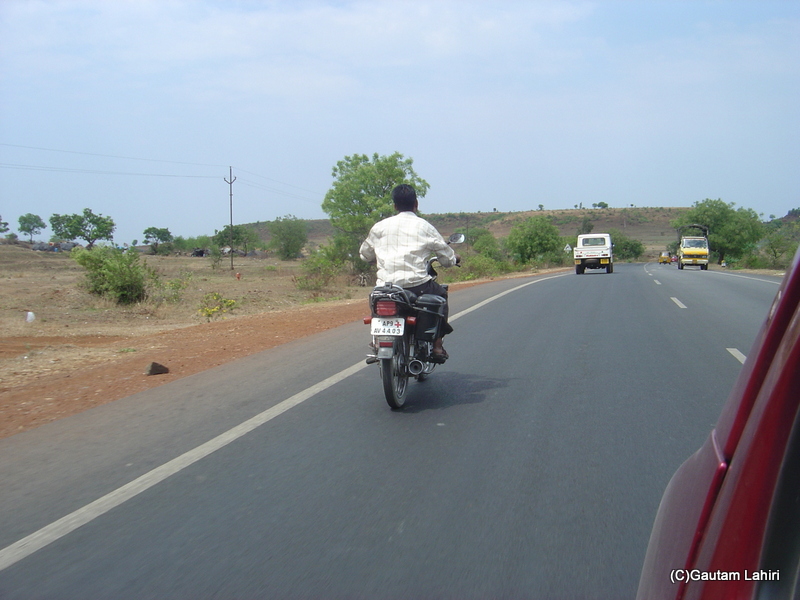
It was a mystery the cars missed each other. Travelling another four kilometers, the road narrowed down and got onto a hump and entered a turn.
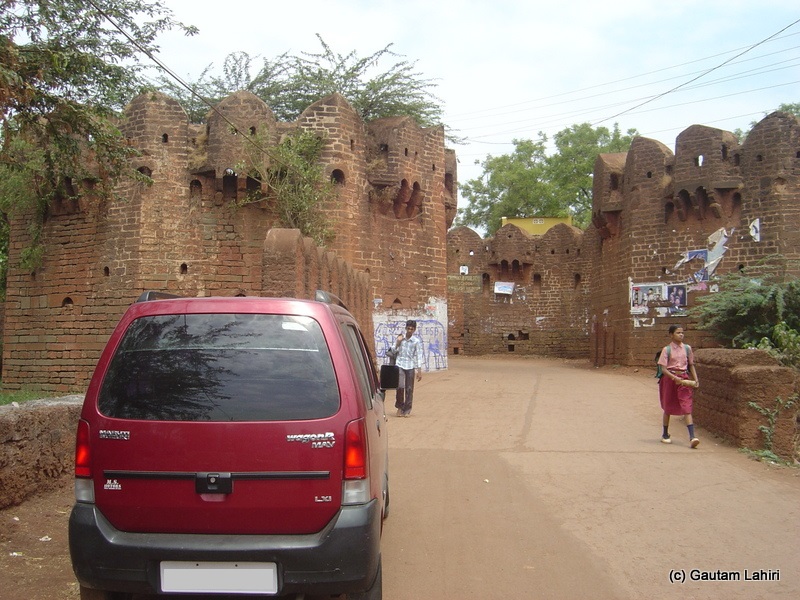
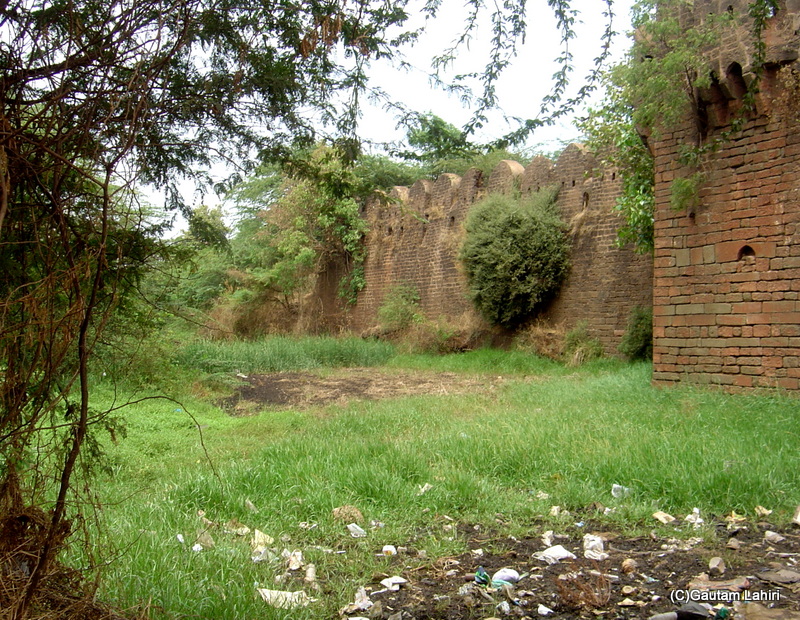
We saw the first glimpse of the outer perimeter wall of the BIDAR fort. Although we did make a note of the history of this Deccan town, it seemed to be fair to hire a local guide to travel all along with us, showing and explaining the buildings, the fort for the next four hours.
BIDAR’s history
Jamail, our tour guide took the co driver’s seat and started his excited banter.
BIDAR is known to have started its historic journey by being under the magnificent Mauryan empire. After the Mauryan dynasty, Satavahanas took over and ruled.
Kadambas and Chalukyas of Badami came next, followed by Rashtrakutas who reigned BIDAR for a couple of years. For a brief period after the Chalukyas, the conquest ridden ground of BIDAR was controlled by sevunas of Devagiri. Even the Kakatiyas of Warangal had a stake here.
I have tried to take copious notes of what our guide told.
Readers may feel free to validate the history of this area in greater details.
It was fascinating to see the mix of cultures, and rulers that definitely shaped the character of this land and its people.
We were eager to find more and drove on.
Ruined Madarassa
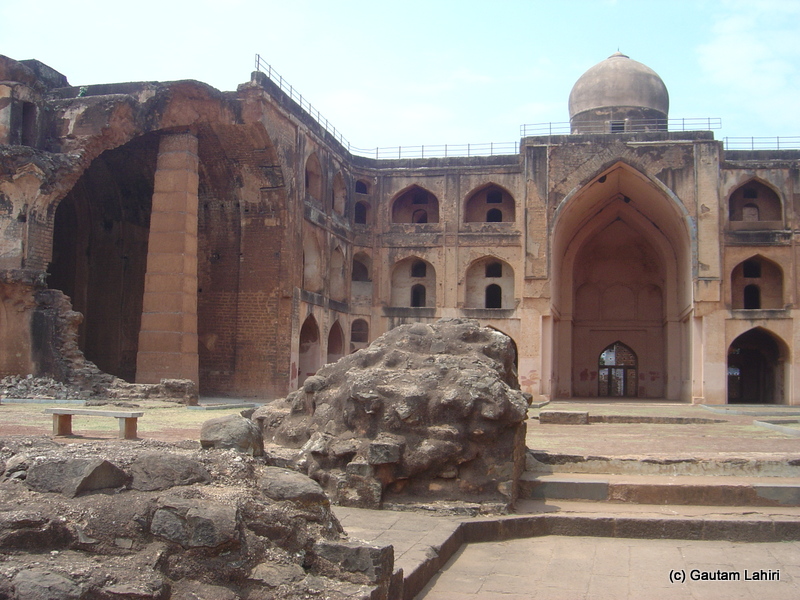
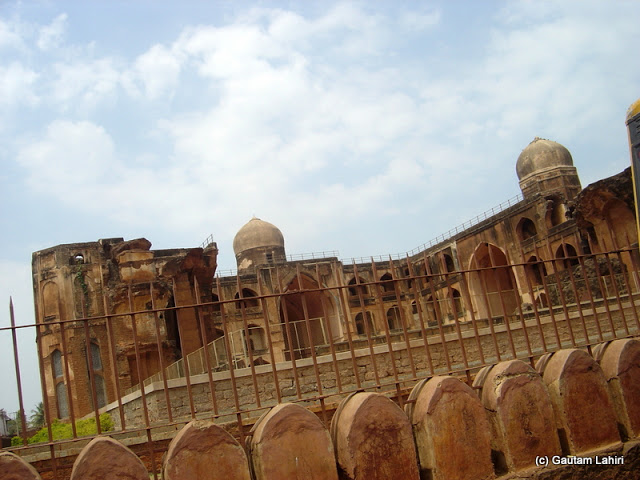
The madrassa which was in ruins still looked very elegant and housed a mosque within its fence that ran all around. Only one tower could be seen standing.
This building was designed and ran like a university and the students were exposed to subjects like Arabian and Persian studies and literature, astronomy, theology, mathematics, and philosophy.
The building was designed under Persian influence. Living quarters could be seen where both the students and teachers stayed.
A big ‘tartar’ dome sat in the middle of the structure.
A few areas still showed the unique colored tiles that had a great combination but broken and peeled off. Still, a section of the great library was visible which Jamail told contained over three thousand manuscripts.
Madrassa’s unique story
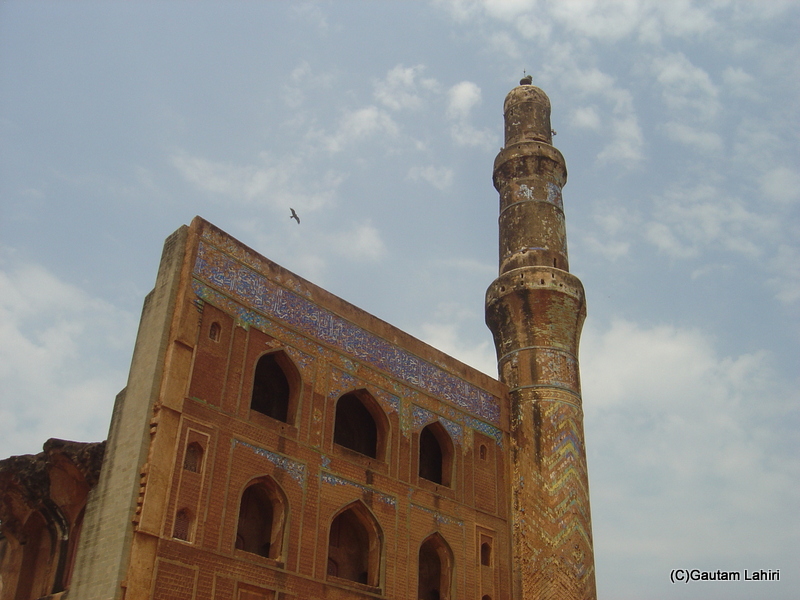
Huge crumbling blocks were seen strewn around the ground.
Unfortunately, the building got a bad hit when an explosion in the olden times; damaged a section which was pretty much evident.
The best part of this madrasa as we heard from the guide was its foundation which had the metal lead that was layered with the masonry work to prevent the damp from impacting the glazed tiles on top.
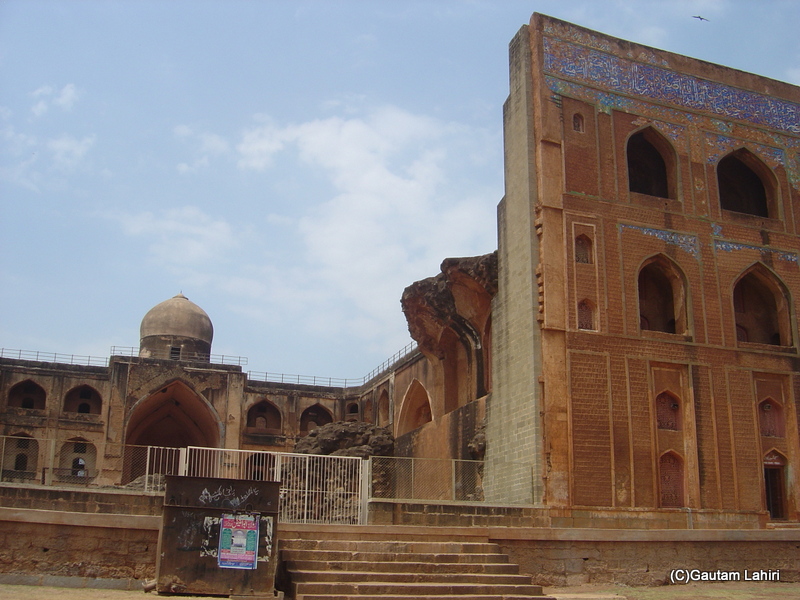
waited to narrate the history of BIDAR
We had more to see on our list, so eluded an exhaustive round and only concentrated on the history that was singular to the structure in front.
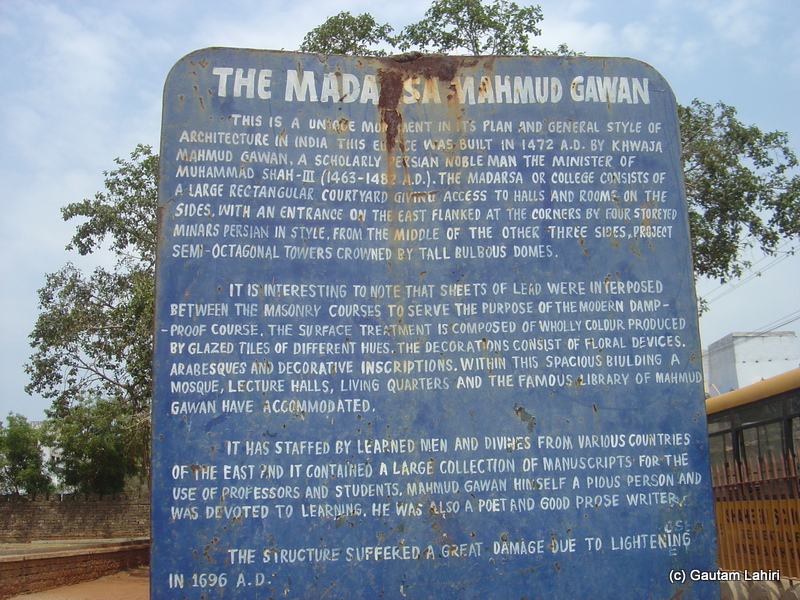
I captured the blue metal text display that the Archaeological Survey of India had placed in front. Mahmud Gawan who built the edifice, seemed from what we recorded to be ahead of his times. He was a great educationalist, an able administrator and served his master, Mohammed Shah II well. He believed that the only success factor for a society was education and he built the madrassa as a result. However, unfortunately, he picked up enmity with a few nobles of his time.
He was known to have been executed in the year 1481 AD by the king whom he served. A sad ending perhaps to a great personality.
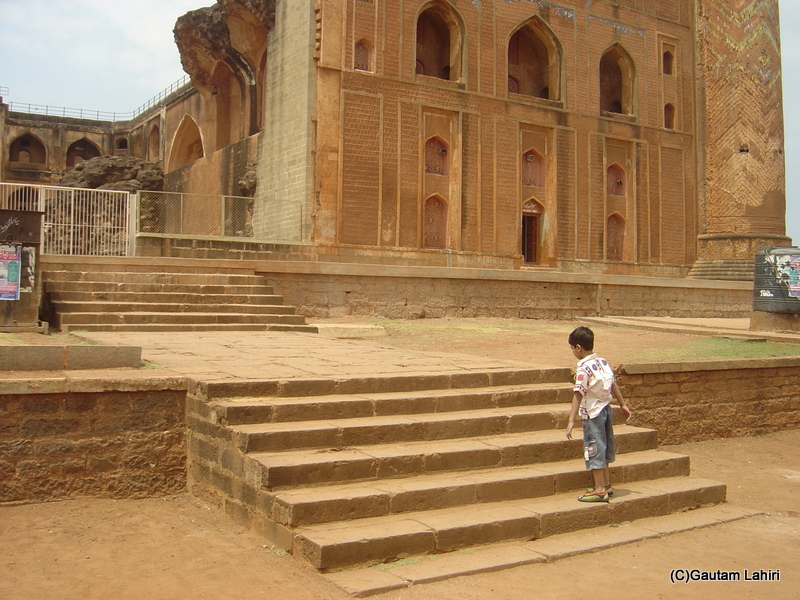
We stood engrossed in the history of BIDAR seeing the first monument.
As the sun glared on, the old ruins of the madrassa took on a poignant look. One time, the structure was built with meticulous care which now stands alone depicting the story to its visitors.
A single monument was able to contain such history, so what would be the others be telling us?
I was able to hear the faint clanking of swords which meant, even more, was in store…
We got into the car and made our way towards the fort of BIDAR.
Inference
- Madrassa was built in the 1460s’and stands as an example of the regional style of Indo-Islamic architecture during the Bahmani Sultanate rule
- Mahmud Gawan, a Persian trader came to Delhi from Gilan in Iran and moved to BIDAR around 1453
- Mahmud reportedly built the madrasa spending his own funds and it functioned like a domiciliary University
| Distance from Hyderabad to BIDAR | 142 Kms |
| Best time to visit | December to February, do not try in the summers. You will be grilled. |
| Duration | Start early and you can finish exploring the BIDAR fort in a day |
Our BIDAR FORT exploration is a series of three:
| Part 1 – Road to history’s melting pot, BIDAR | https://wp.me/pbXnOA-yM |
| Part 2 – Magical experience over the ramparts, BIDAR FORT | https://wp.me/pbXnOA-y5 |
| Part 3 – Enigmatic apparition held BIDAR’s shimmering black metal | https://wp.me/pbXnOA-xO |

 SPITFIRE GAUTAM