My New Delhi Diary🌾🚜 Okhla Bird Sanctuary in Winter 🌫️🦆 | Migratory Birds, Morning Haze & Nature Amid Pollution
A chilly winter morning at Okhla Bird Sanctuary is a study in contrasts — shimmering wetlands alive with birds 🐦, wrapped in a thick blanket of smog 🌫️
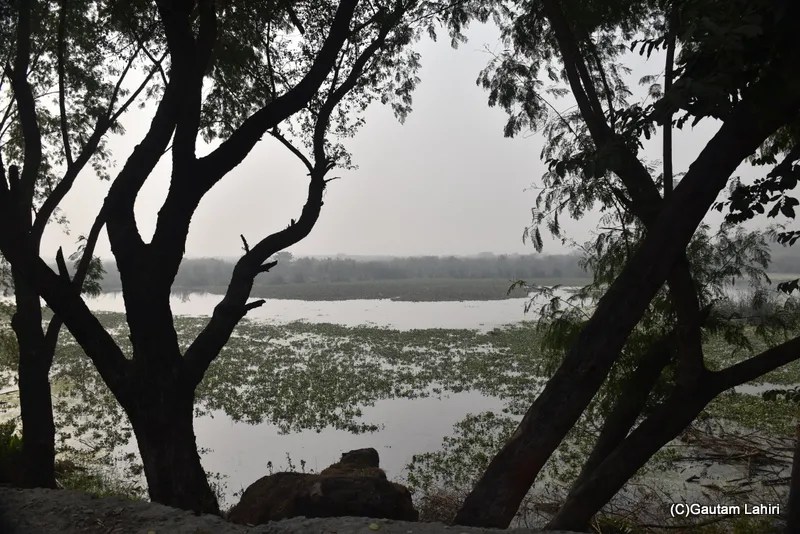
As the sun struggled to cut through the haze, silhouettes of migratory birds glided silently over the water, reminding us that nature survives even in the most polluted corners of Indian cities.
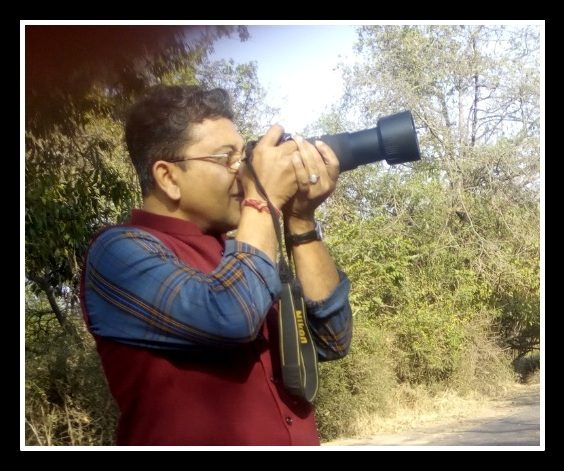
My Nikon DSLR, equipped with a 200-500 mm lens, sliced through the smog and captured the following avian visitors.
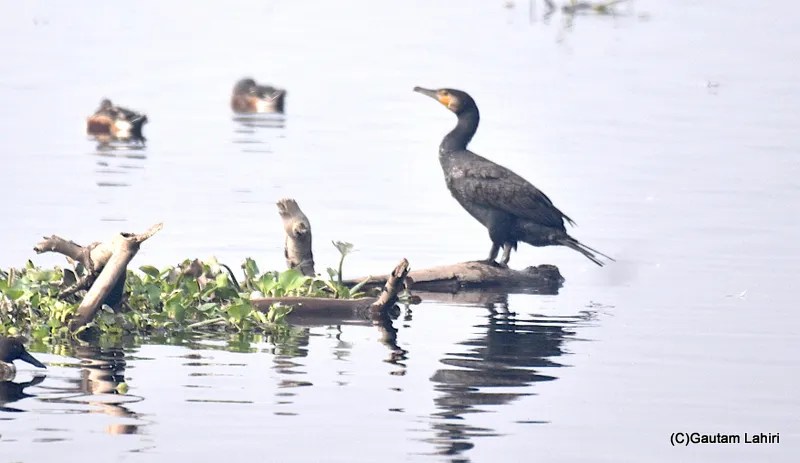
🐦 Great Cormorant
The Great Cormorant stood tall near the water, drying its wings after a deep dive for fish 🐟. Its dark silhouette looked especially dramatic against the hazy winter sky. Origin / Range: Europe, Central Asia, East Asia. Comes to India between October and March. Dives underwater to hunt fish
🦆 Little Grebe
The Little Grebe constantly bobbed on the water, diving and resurfacing in quick bursts 💦. Its compact body and chestnut face added charm to the calm wetland scene. Origin / Range: Europe, Africa, South and East Asia. Likes slow-moving rivers and lakes
🦆 Male Gadwall
The male Gadwall appeared understated yet elegant, with subtle grey patterns blending seamlessly into the winter wetlands 🍂. Often overlooked, its quiet presence spoke of refined beauty. Origin / Range: Europe, Central Asia, Siberia Habitat: Shallow lakes. Eats grasses, seeds
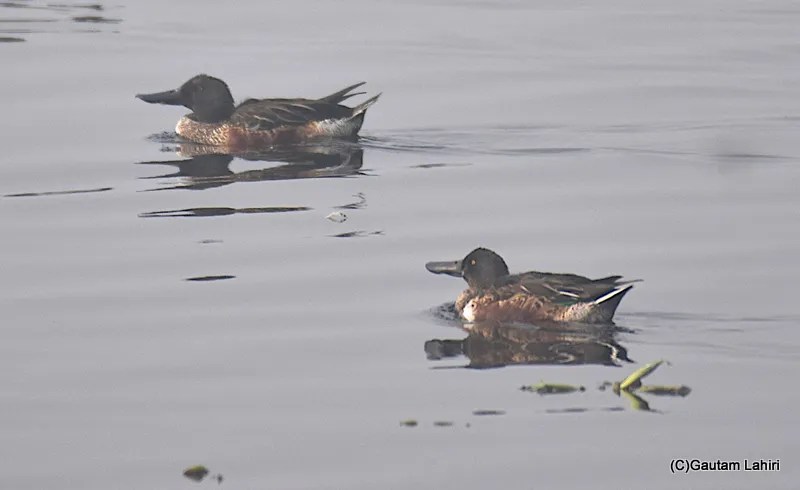
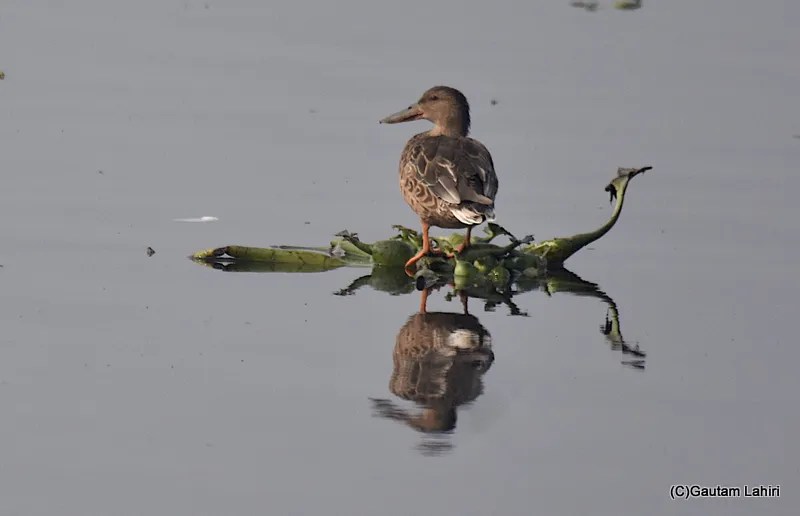
🦆 Northern Shoveler
The Northern Shoveler was easy to spot with its distinctive broad bill, sweeping the shallow waters for food 🌾. Its rhythmic feeding created gentle ripples across the wetland. Origin / Range: Northern Europe, Siberia, Central Asia Habitat: Shallow wetlandsThe afternoon sun caught the intricate feathered pattern on the Shoveler as it balanced itself over a floating water hyacinth. Eats Plankton, seeds, small invertebrates (filter water with a broad bill) 🌱
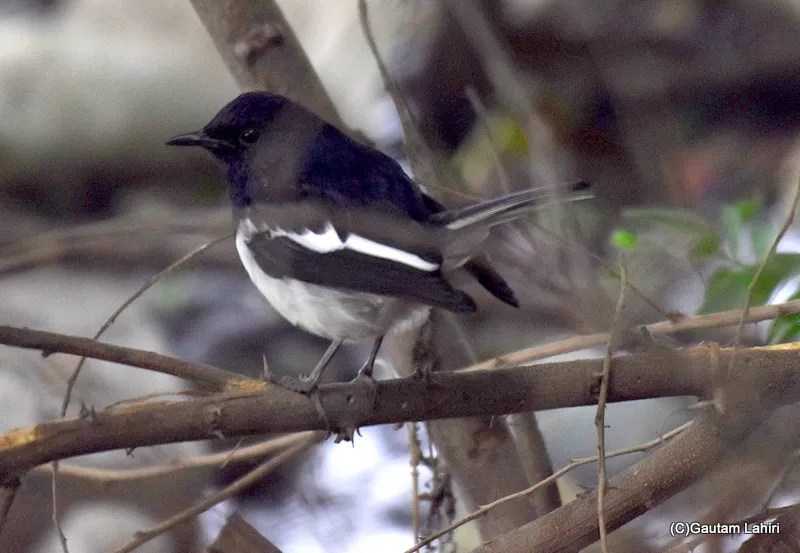
🎶 Oriental Magpie Robin
The Oriental Magpie Robin perched confidently on a branch, its contrasting black and white plumage standing out clearly 🤍🖤. Even in winter silence, it carried the poise of a born songster. Origin / Range: Indian subcontinent, Southeast Asia Habitat: Gardens, forest edges. Eats Insects, worms
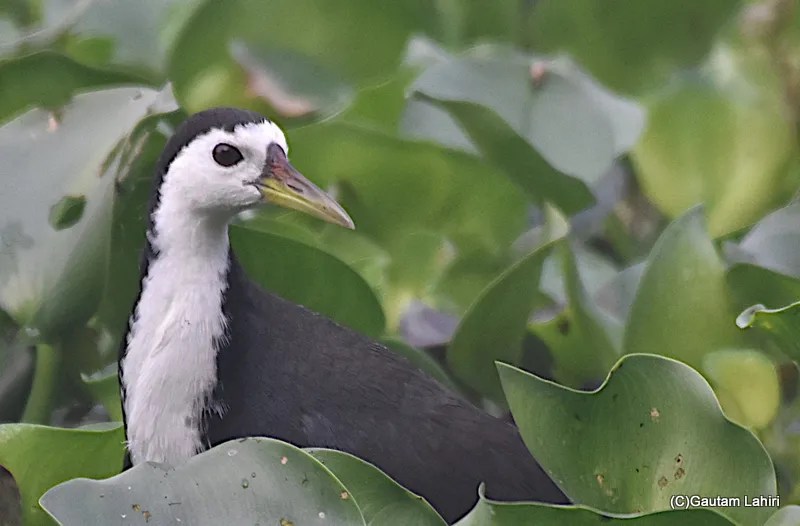
🐔 White-breasted Water Hen
The White-breasted Water Hen emerged cautiously from the reeds, its bright white face catching the light ✨. Alert and curious, it moved swiftly before disappearing back into cover. Origin / Range: South and Southeast Asia Habitat: Marshes, reeds. Eats Insects, seeds
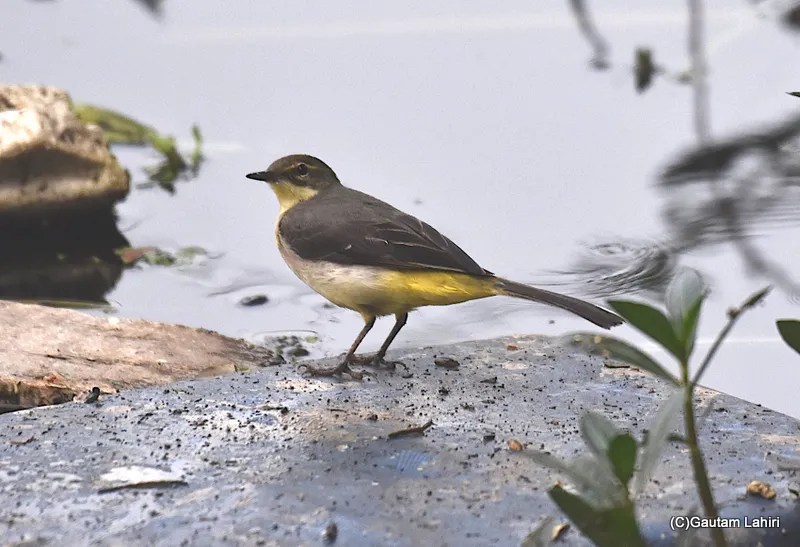
🐦 Grey Wagtail
The Grey Wagtail hopped gracefully along the water’s edge, constantly wagging its long tail 💛. Its soft yellow underparts added a splash of colour to the muted winter landscape. Origin / Range: Europe, Central Asia, Himalayas Habitat: Streams, rivers
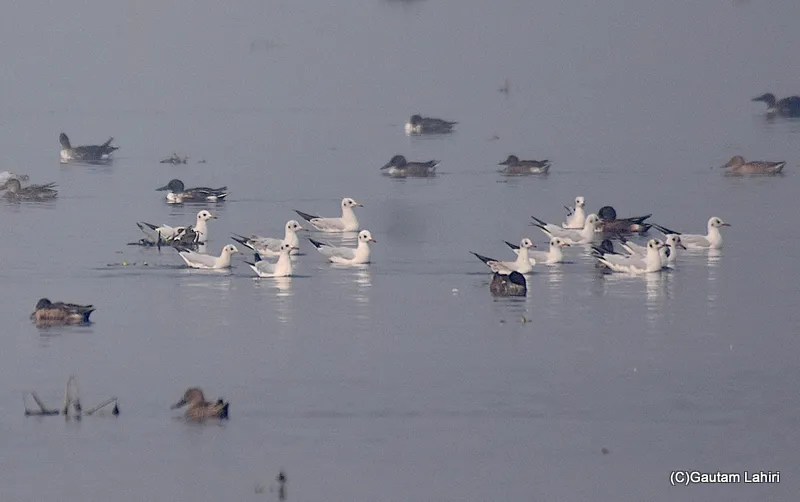
🌊 Seagull
A large colony of seagulls glided effortlessly above the water, cutting through the morning haze 🌫️. Its sharp calls echoed across the sanctuary, adding life to the grey winter air. Origin / Range: Central Asia, Tibet, Mongolia Habitat: Rivers, wetlands, lakes. Eats Fish, insects, scraps
💦 Sprawling Okhla Wetland
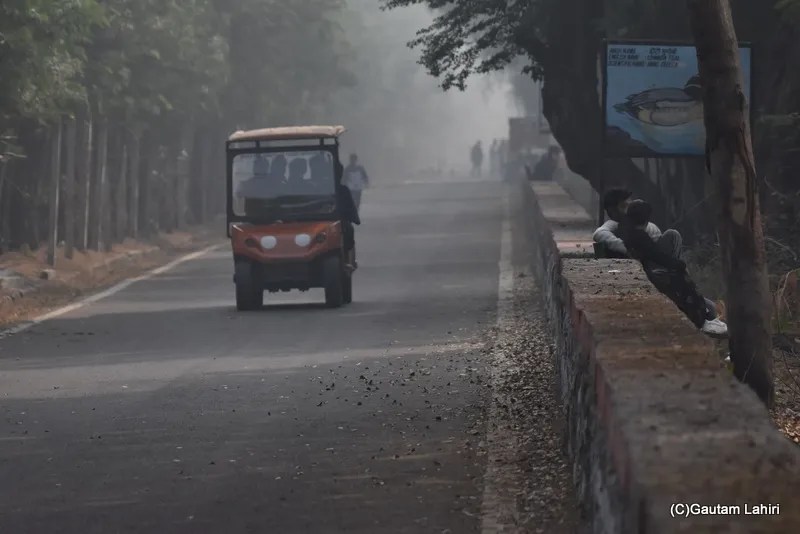
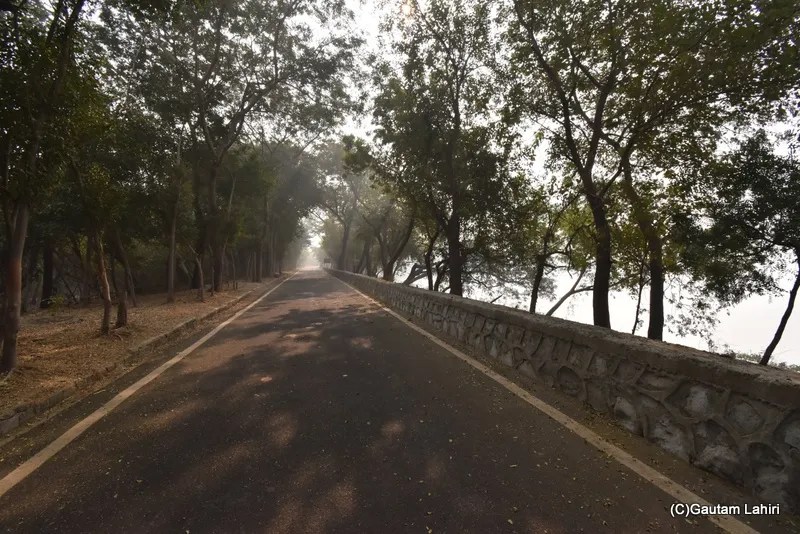
Large areas of the wetland could be seen overpowered by reeds. Far away on the horizon, trees and grasslands formed a carpet with the undergrowth This electric cabbie can be used to cover the 5 km of road for a mere price of Rs 20 when you head back to the entry gate. Our tired legs after the session got a respiteA beautiful tar road borders the wetland. No cars are allowed; you have to walk. The only car allowed is the electric cabbie for shuttling from one end to the otherThis is the entrance to the Okhla Bird Sanctuary. A tall white board on the left tells you about the bird visitors to this lake, which is fed by the nearby Yamuna River
Remember, this place is best enjoyed by just sitting on the benches that overlook the wetland.
I would love to hear and thank you for being with us.
Inference
🕊️ The sanctuary’s lifeline is the Yamuna River, regulated by the Okhla Barrage. The shallow wetlands, reed beds, mudflats, and open water zones create diverse micro-habitats that support aquatic birds, waders, and fish-eating species
🚗 Unfortunately, the sanctuary has no car parking. You have to park at the nearby bird sanctuary metro station for Rs 30. Use the foot over the bridge to cross the road and walk to the sanctuary
🪶While birdlife thrives, air pollution is impossible to ignore. Winter mornings often bring dense smog, reducing visibility and muting colours. Birds emerge like shadows through the haze, making 📷 photography extremely challenging
Vital stopover for migratory birds 🧭
One of the last major wetlands in NCR
Acts as a natural air and water buffer
Distances
From Gurgaon city, it is 44 km away and 20 km from Connaught Place, New Delhi Immediately, after crossing the Yamuna River, the bird sanctuary comes up
When to go
November through February, before it gets really hot
Pocket Pinch
Entry cost: Rs. 30 for Indian adults. No restaurants are available; please carry your own food and water. An electric cabbie goes back and forth for Rs. 20 per person, very helpful






 SPITFIRE GAUTAM