

The grey clouds were scudding across the laden sky. The early morning drizzle threatened to douse the much awaited avian conclave that lay ahead with our feathered friends. The morning chill cut through the half closed car window as we steered the Swift towards the gate of the biggest bird sanctuary of India.
A few large drops rattled over the windshield dragging our eagerness with them as they bounced off the steel hood in the front.
The sun had already spread its muffled light over the horizon.
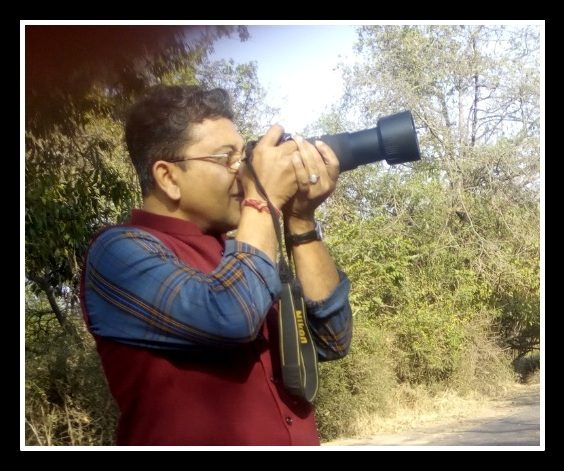
We were equipped with a pair of binoculars, a twelve-year-old Nikon D90 with only one sensor working, attached to a 70-300 mm lens, and a hired monoscope.
The nervous excitement although dampened was palpable; the rain had stopped and the whitish yellow glow of the sun started to light up the bleak sky.

Trudging the bird trail
The tire screeched on the dried cement that lay scattered turning into a paste with the light morning rain at the parking.
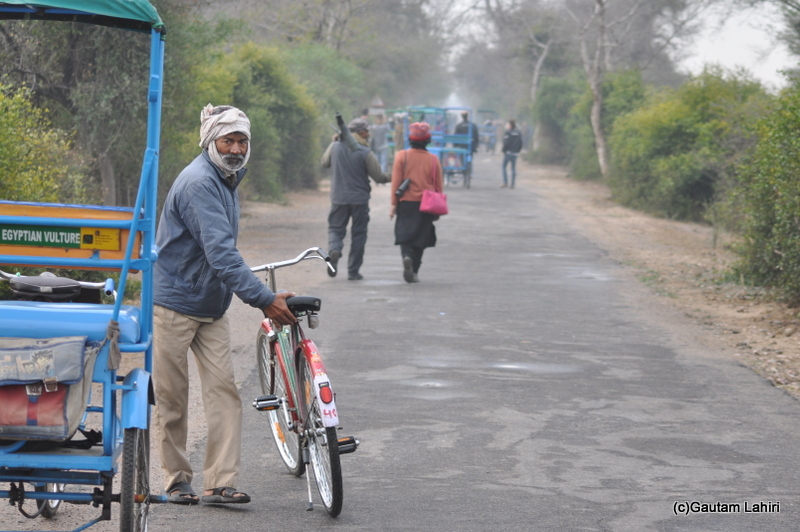
We headed to get the entry tickets. We found a couple of modes of transport that were on offer – chauffeured cycle rickshaw, self driven bicycle, or a horse-drawn two-wheeled carriage. In extreme cases, an electric vehicle that ferried mainly senior citizens to run the forested errands .
All the modes of transport chosen carefully, not to create sound and scare the birds away.
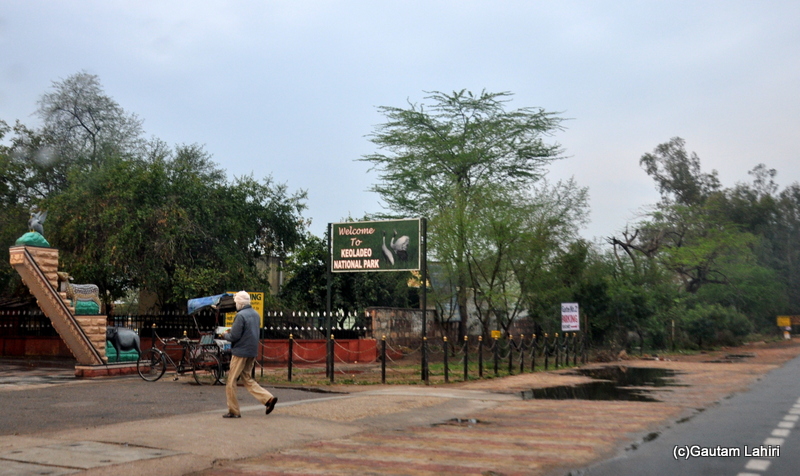
Braving the cold air, we entered the sanctuary with many zealous tourists with one objective – The birds.
I rummaged a few pages of a book on birds the night before. My scanty knowledge on Indian and migratory birds would be put to the ultimate test when we would be seeing the winged visitors.
Can we identify them? Will all of the typical birds of the sanctuary be present? With a load of questions hammering the impatient mind, we headed deep into the swamps.
Bharatpur Layout
A singular fifteen feet wide zigzagged road stretched in front of us, with trees and water bodies, on either side. It was eleven kilometers long. We hoped to cover as much of the twenty-nine square kilometers of swampy grasslands hoping the weather would be on our side.
A penetrating cry pierced the forest calm, and our first bird was sighted, a full-grown peacock atop an administrative building.
Rajasthan has them like you see cawing crows in Kolkata.

Luckily the sun started to emerge with its golden hues dispersing the grey clouds that overcast the sky.
A glimmer of hope made the adrenaline sear me with a glow.
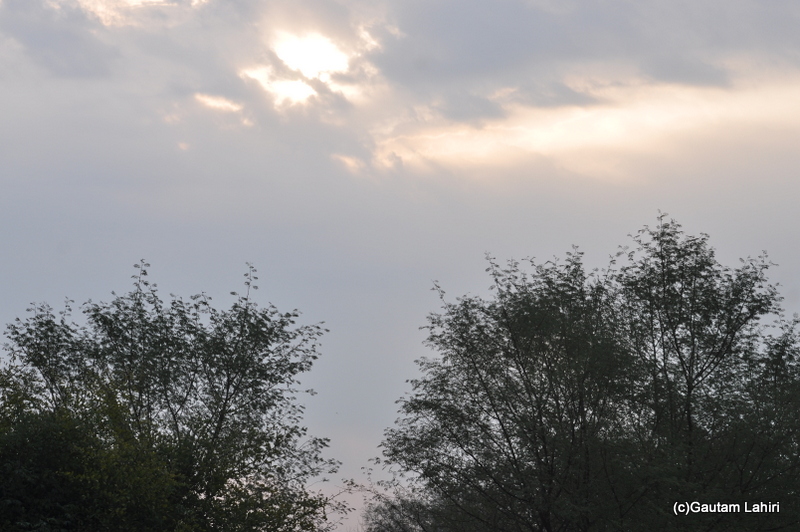
We looked around and saw a tree, devoid of foliage stood over the bushes around us.
Usually, these dry high branches attract birds of prey and we were able to see a big, black visitor.
It was menacing. The chiseled hooked beak under two roving eyes merged to a whitened forehead. The small skull swept back to a tuft of spiked hard feathers gave it a wicked look.
The small head bobbed and I clicked. A vulture.
We ran with soft feet and aimed the camera at the blackish grey tree yonder.

A good mix of chirping sounds surrounded us. Small undergrowth which ran all along the road, with trees and plants not more than three feet from the ground seemed to be the home for very small birds.
A few of them landed and hopped on the rain-washed road.
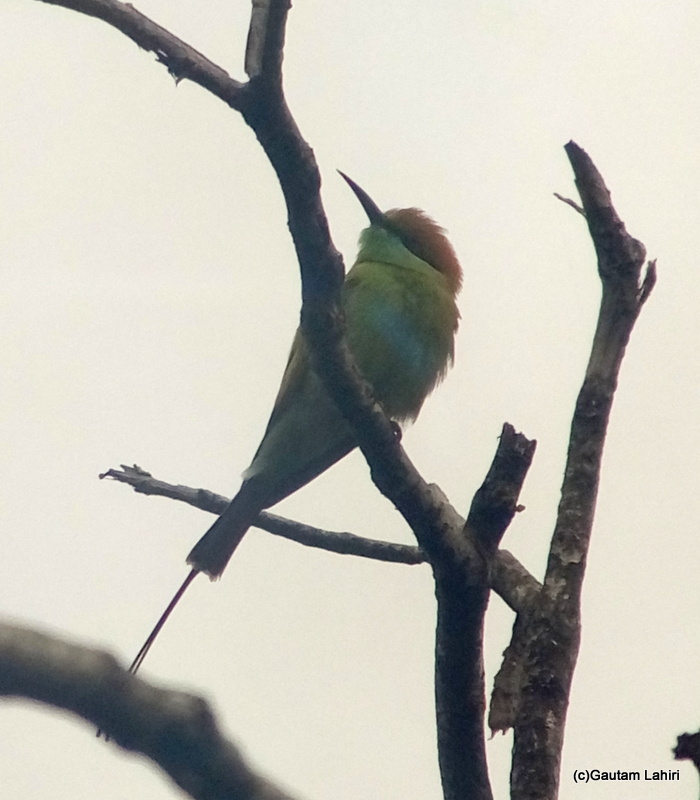
Suddenly, it seemed we were amidst a huge cauldron of small to medium-sized birds as the day progressed.
It was no more a chirping but a racket of crackled noises.
The circulating cool wind due to the rains, waned the humid heat off to a certain extent made us feel relaxed and stirred up.

Everyone looked up as we trained our lens and heard a cacophony of sound coming down the entwined branches.
All of them vying for attention from their mates to have a field day of their own.
We had landed right in the middle of a mating season.
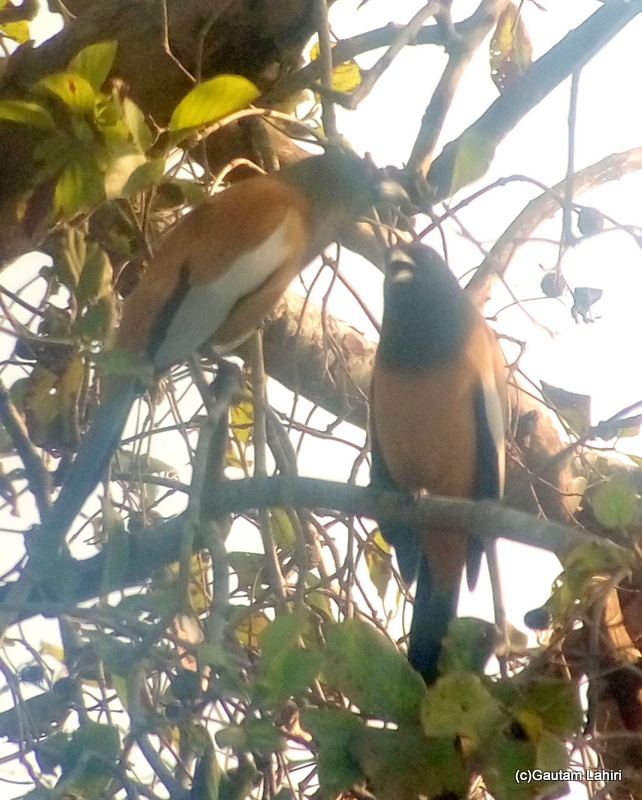
We ran through a dichotomy of a visual treat of most boisterous to perfect calm natured birds.
The variety seemed endless.
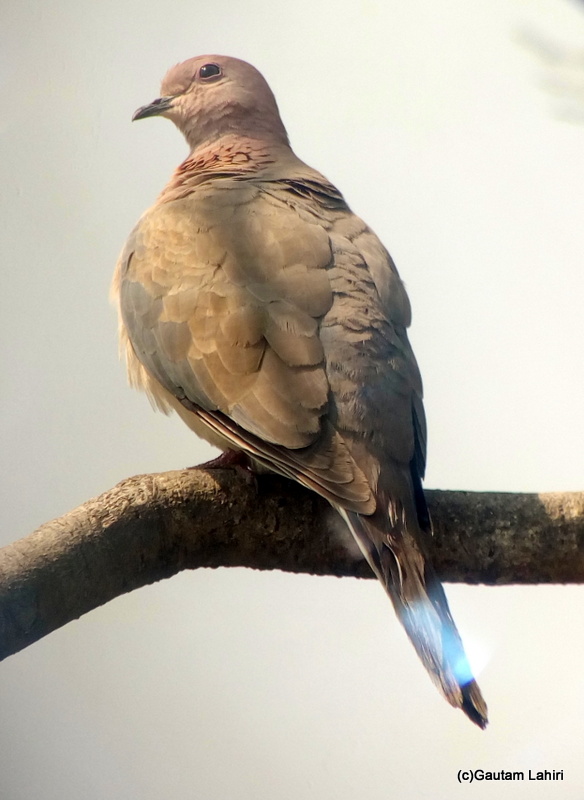
World of small birds
A light breeze brought with it, the mixed smell of wet earth and flowers; we saw tiny birds, and they moved so much from leaves to the flowers, aiming and taking a shot became rather difficult.
Nevertheless, we pressed on.

Aligning the small birds with the camera posed a huge challenge for the bulky camera lenses.
We stepped back to get a better shot.
A few were quite friendly and patiently stood for us to capture them in their natural glory.
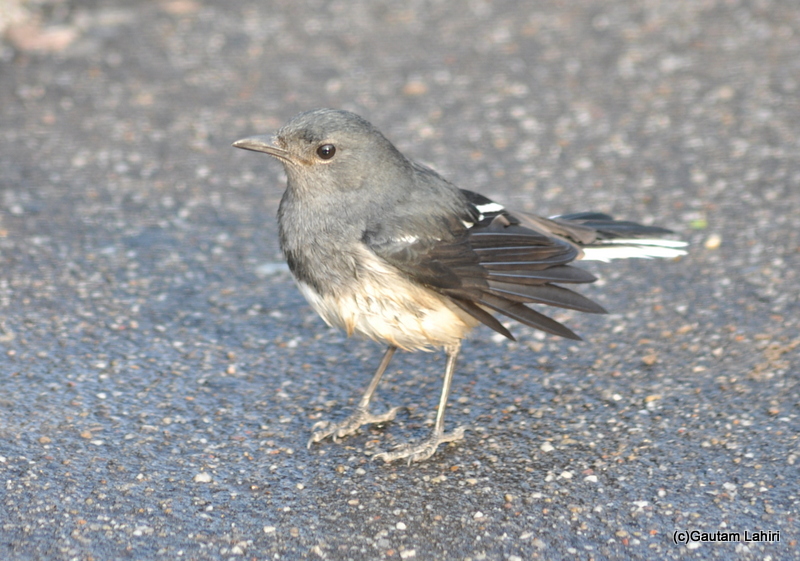
With legs apart, employing all the acrobatics, I got a few shots of these tiny birds.
They were a whirlwind of tiny flying machines.
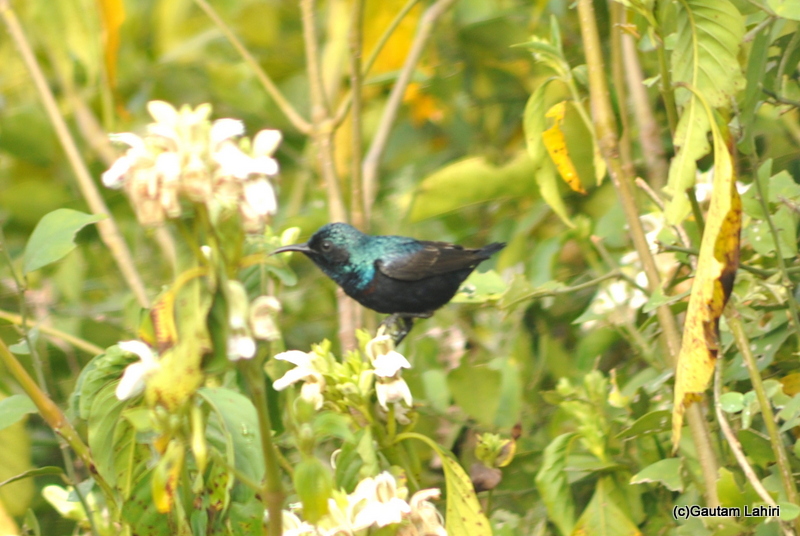
We moved along the road, once on the rickshaw and sometimes walking.
Ears peeled to catch any unusual bird squeaks.

Birds of all shapes and sizes started pouring in.
Far away we could see the broken edges of the landmass that had got encroached by the lake water.

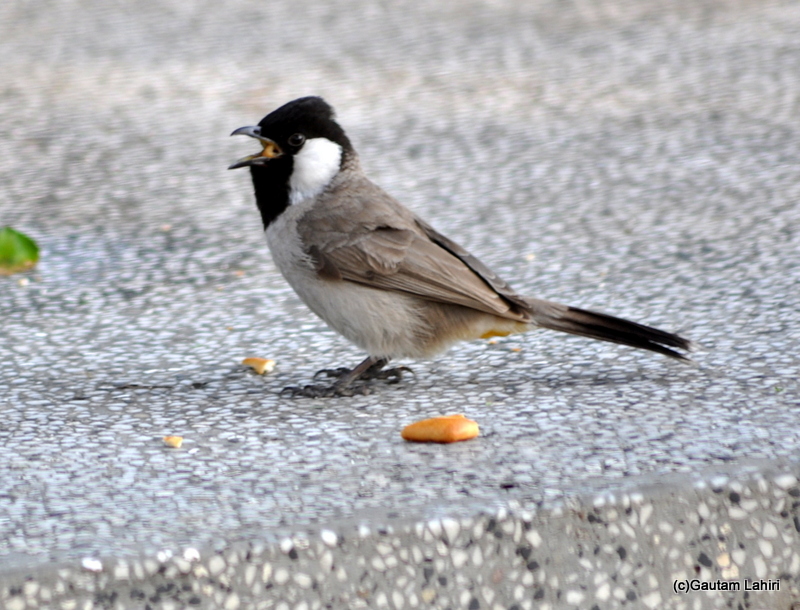
Remarkably, the birds were accustomed to the visitors and stayed quite close. Sprinkled biscuit bits attracted a few of them.
Loads of tiny birds bumped in.
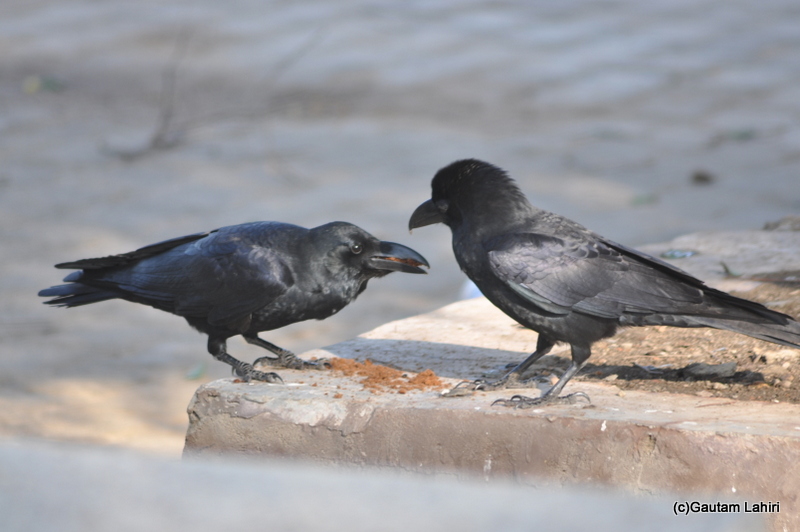
Not far away we saw a pair of Raven in courtship act.
The black coat of its feather was glossy as they flashed rainbow colors as the sunrays danced on them.
They looked quite calm, given their size.
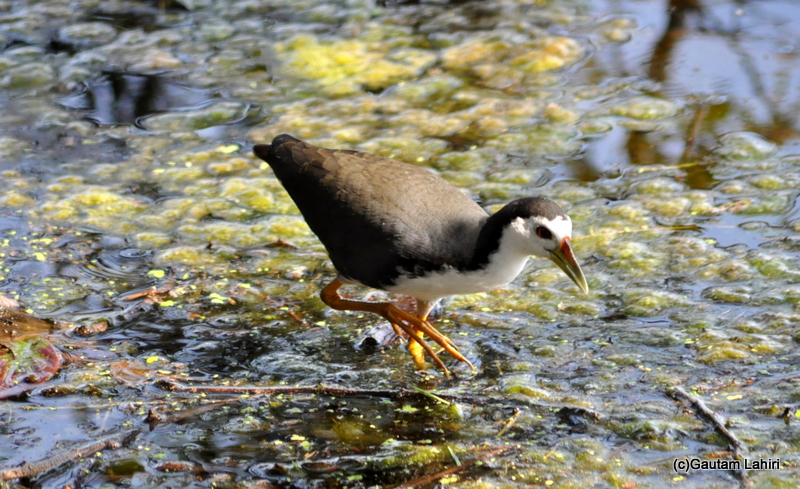
Camera angled up, we trundled along the asphalted road when a white-breasted water hen emerged over the algae-covered swamp water and hurriedly crossed our path.
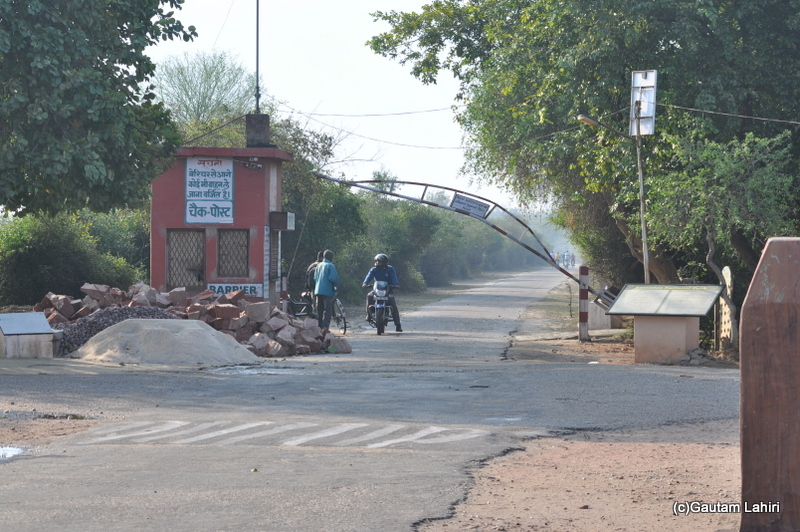
After about three kilometers of travel, we came across a check post where the road bifurcated.
We kept our direction straight as the national park deepened.
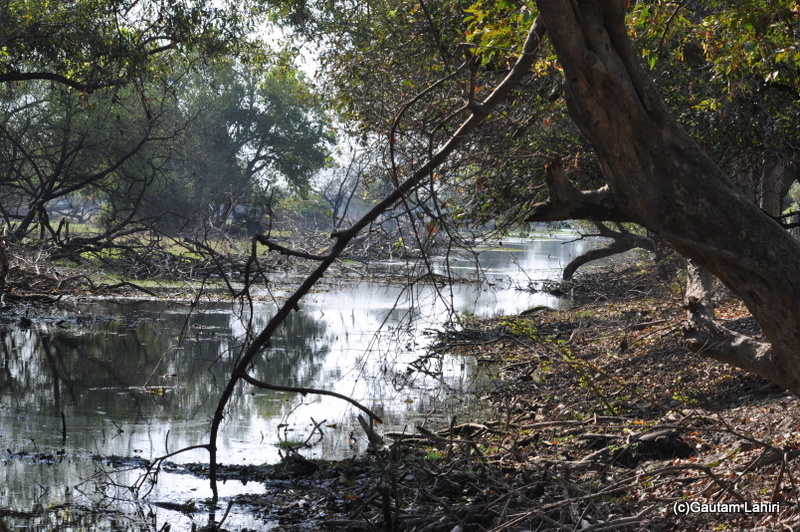
The road came closer to the squelched land and we figured out that more water birds could be seen.
Surprises were plenty. From a distance, all water birds looked almost the same.
Swamps and birds
It took good practice to differentiate birds from a distance. Guess I passed the test. A smirk of a smile crossed me – I had studied well.
The land on the left was a perfect hiding place for numerous organisms. Tree roots, branches, dead tree trunks had all formed a knot and jumbled narrow branches shot from the water body presenting more species.
Kingfishers were plenty and darted so quick that their prey had no chance at all.
The quick movement on our part was the call of the day.
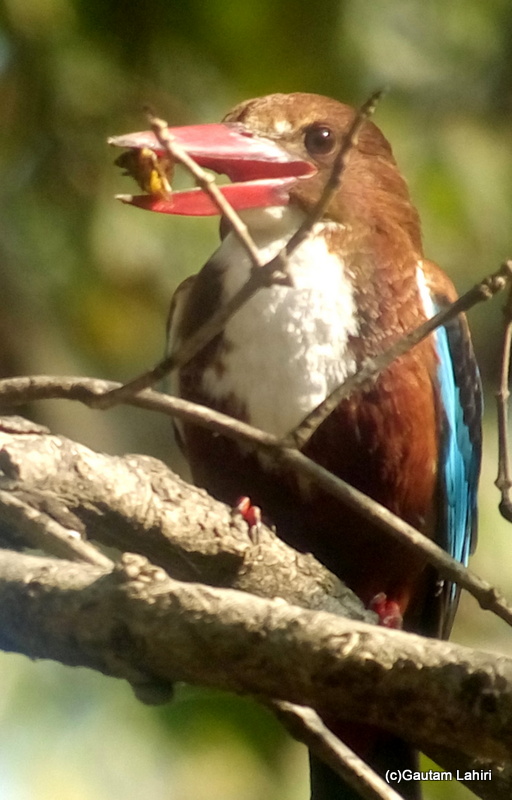
Kingfishers were terribly fast, its razor focus and attack, and catching the prey all took place within a fraction of a second.
Interestingly, they came back to the same spot from where they made the dive.
Very precise and unique.
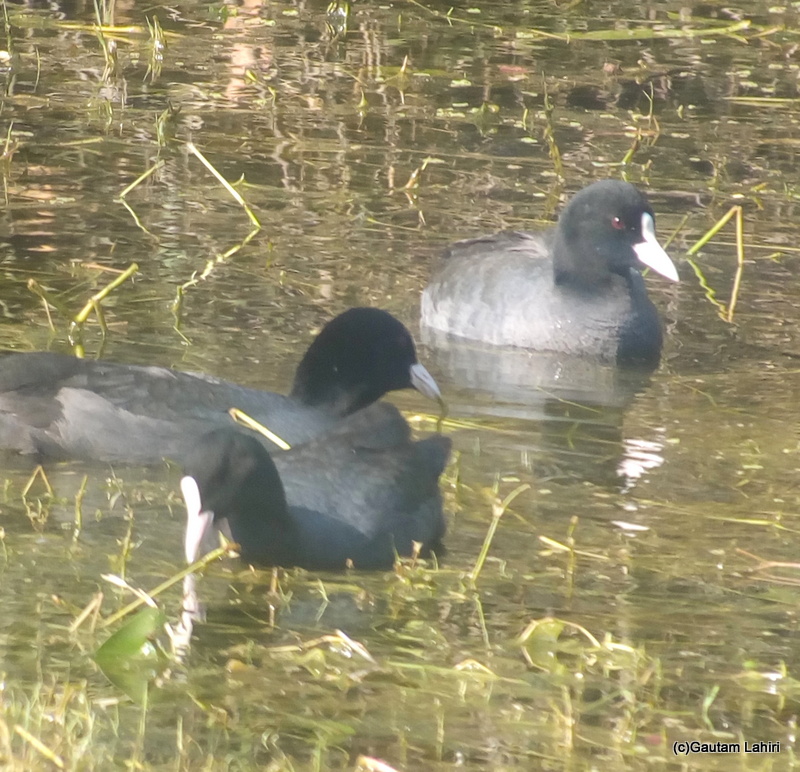
A large area covered with tall trees unrolled itself in front. Birds of every description swam.
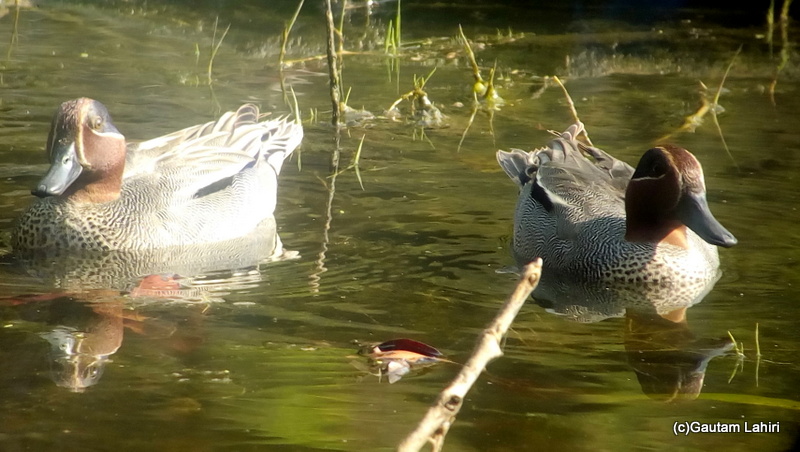
The western sun flashing vivid colors as the birds jostled about to stash up as much food they could grab for the day ahead.
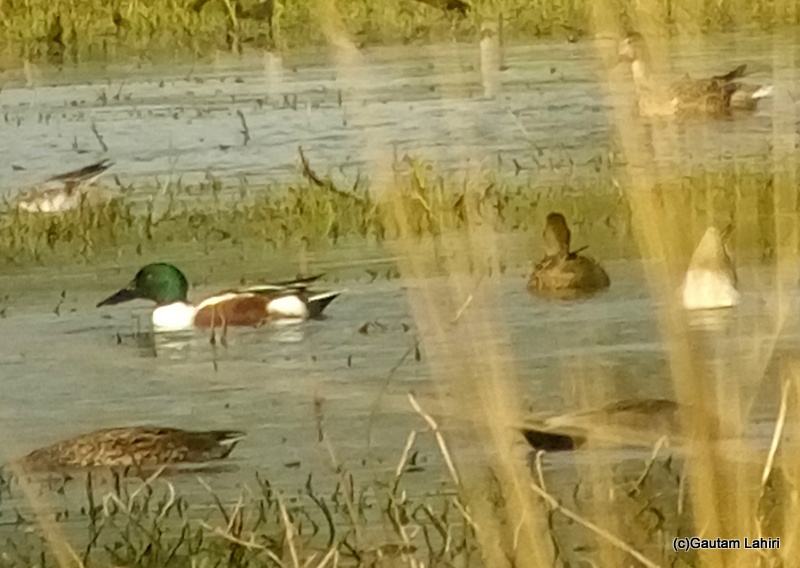
We seemed to have completed our visual discovery as far as the small birds were concerned. We noticed a radical change coming our way.
About fifty meters away on either side of the road, the water body and large ground met. A few uneven mounds of blue green algae covered patches were distinctly visible.
As we focused hard, we saw a variety of big birds pushing through the undergrowth.
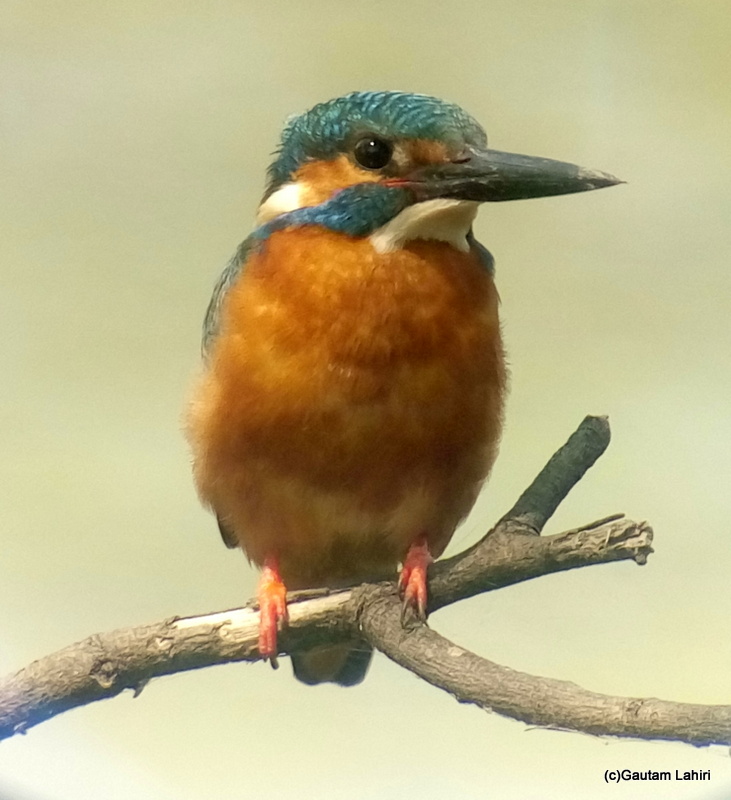
The tall grey and black tree branches had broken off at places, and had fallen at will. Grayish green plants of all descriptions grew on them.
Millions of micro organisms thrived and attracted all these birds across the globe for unending meal stints.

The Big Bird predators
A wide sprawling marshy stretch grabbed everyone’s interest. Far away amidst the tall swaying trees we witnessed the most elegant, big water menacing looking birds.
They looked beautiful, both in flight and in water. Riotous colors could be seen everywhere. They also exuded hunting prowess.
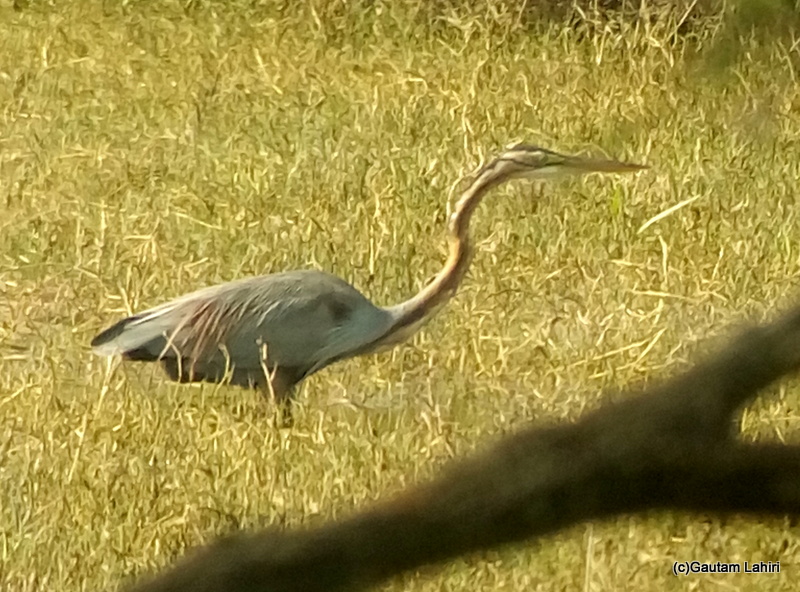
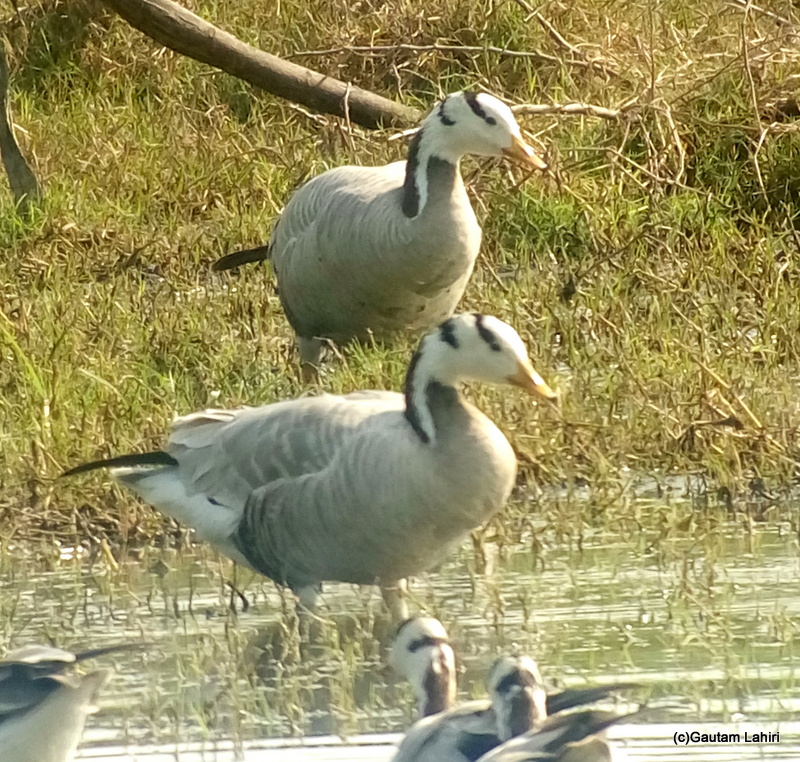
The flatter ground gave way to undulations with pockets of water with shrubs covering in blotches.
More dabbling ducks rushed into them as they shrugged off excess water with a vigorous jerk.
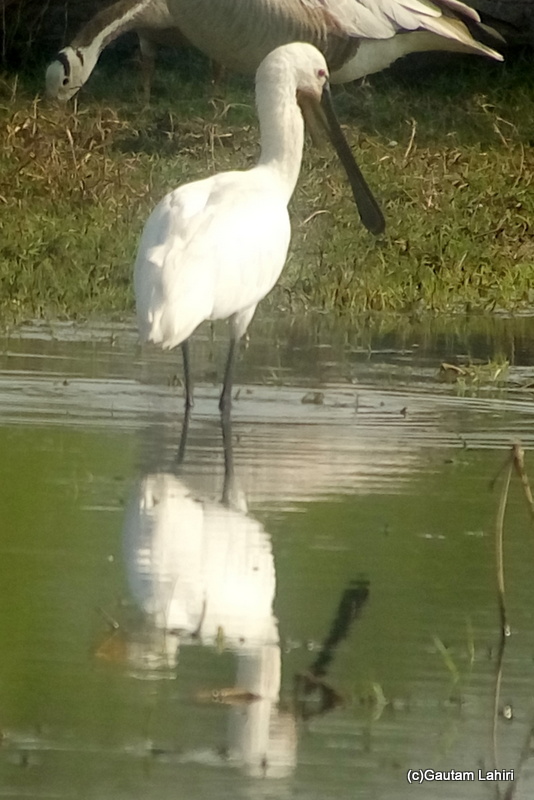
Behind us, we heard a patting sound in the water and turned to see a big white bird with a flattened long black beak pecked at the shrubs to dislodge perhaps snails, or small snakes.
The white plumage was in star contrast to its black waving beak that searched food.
The watch showed high noon or perhaps a bit late.
Had it been summer, we would have been toasted like a pickled grilled sandwich but being winter, it was very cool and still pleasant.

It was time to take a break so we descended on a nearby stone bench and ordered coffee from a refreshment corner.
We were up on our feet for now close to three hours and forty-five minutes.
Regaining strength, we made our journey further south into the park.
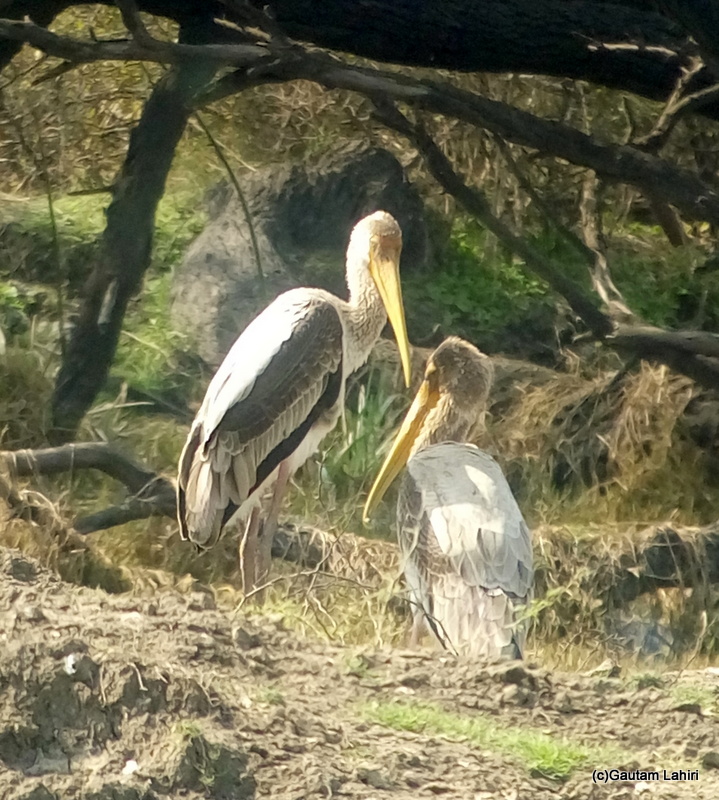
The water was made stagnant by earthen dikes which held the water for long enough for the algae and other organisms to grow.
There was a reason for the flocking of birds – The freshwater was made to rush into the low lands from the nearby Ajan Bund, Goverdhan drain and Chambal-Dholpur drinking water project.
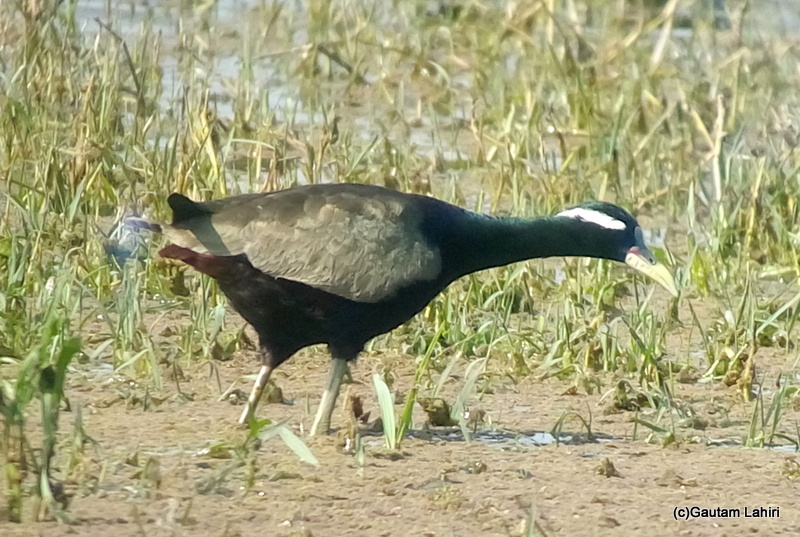
We did see a few sluice gates which controlled the water flow when we were driving to the Bharatpur town.
The water present in this park will slowly dry up when the summer heat soared leaving the flora parched as a dried wood.

The floral diversity that we saw came from the Punjab plains biotic province of the semi-arid biogeographical zone, part of the Indus-Yamuna watershed.
Large stretches of land were covered with Paspalum distichum (also known as knot grass) and Paspalum punctatum (commonly known as, dallisgrass) grasses that formed a dark green velvet texture.
Far away we spotted deer and chital along with Nilgai grazing the shrubs and littered grass covers.

Too far away and indistinct for a shot. We pushed on to see more birds.
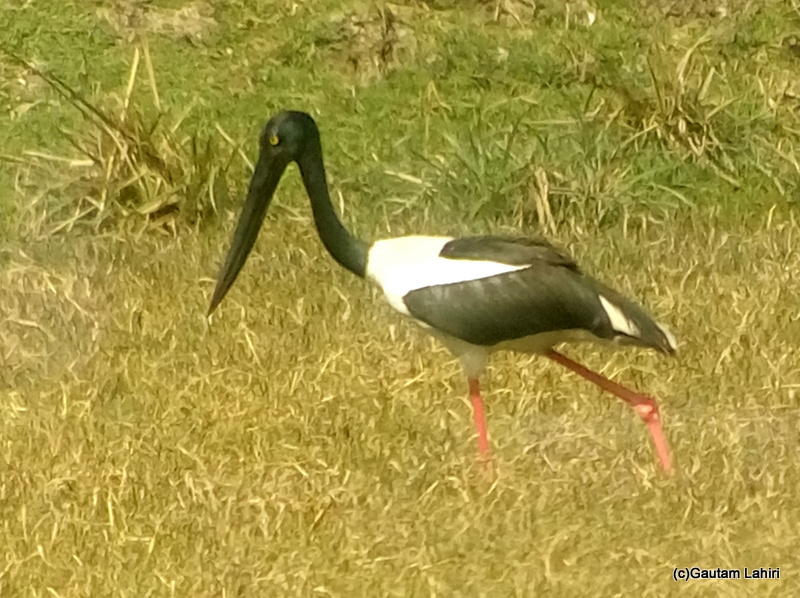
Ibis could be seen flying around and a few sitting high on the tall barren tree branches.

We came to an uneven piece of land, or perhaps a dike that kept the water at bay.
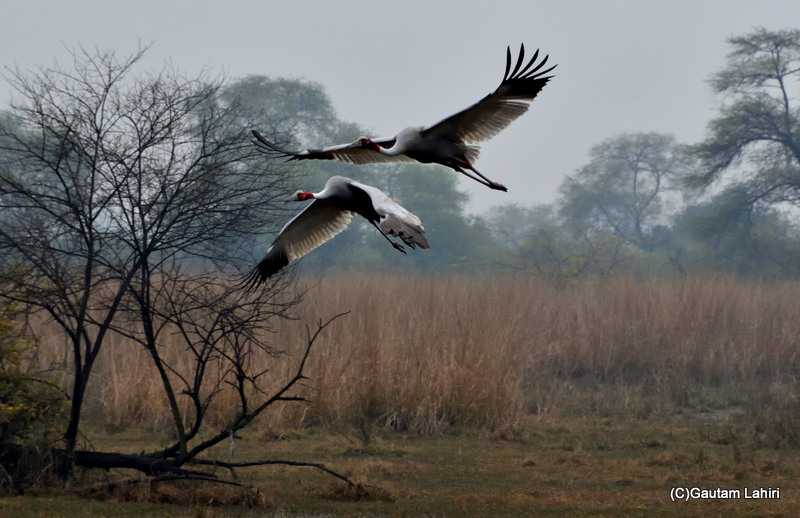
A line of very striking birds with its high neck pointed at us trying to figure out what we were doing.
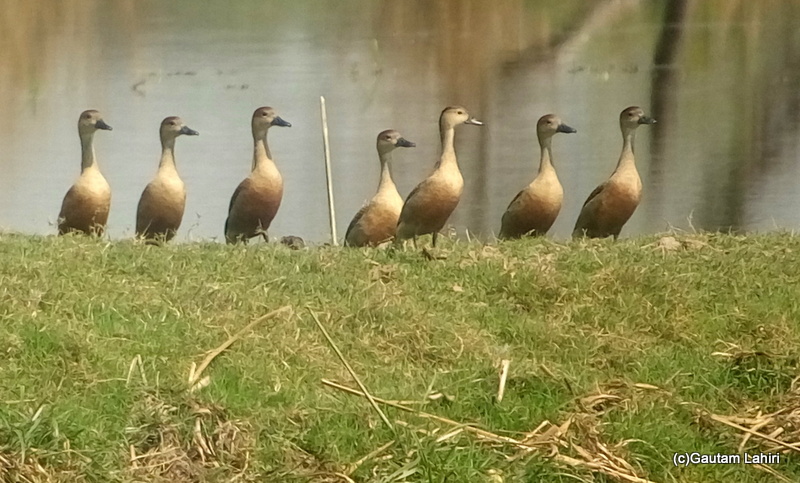
Unfortunately, the Siberian Cranes are not to be seen now.
The last of them was seen in 2002.
Origins of Bharatpur
Suraj Mal, the ruler who was the head of the princely state of Bharatpur made a valiant effort to create today’s national park between 1726 and 1763. We were blessed.
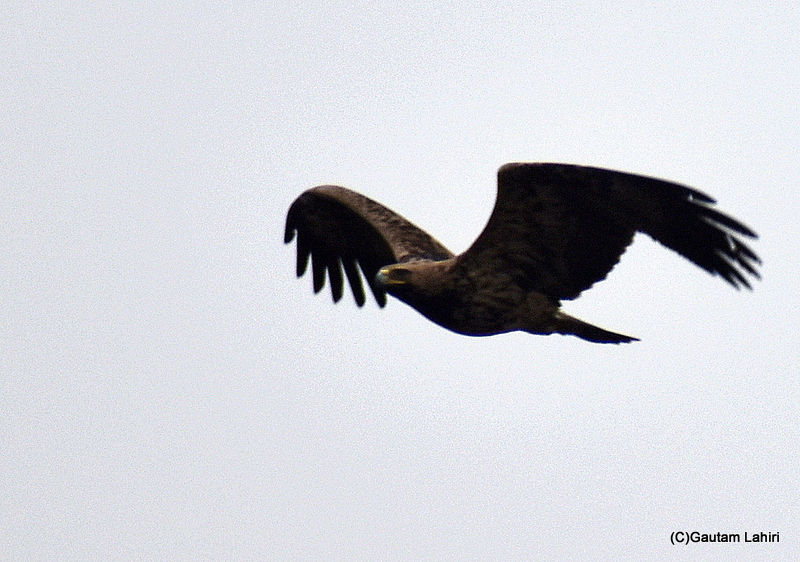

Plenty of birds kept pouring in from the south known as the roosting site of powerful predatory bird – The Harriers.

A flat area with relatively calm water was seen. Trees without the leaves stood like skinny dancers against the grey sky.
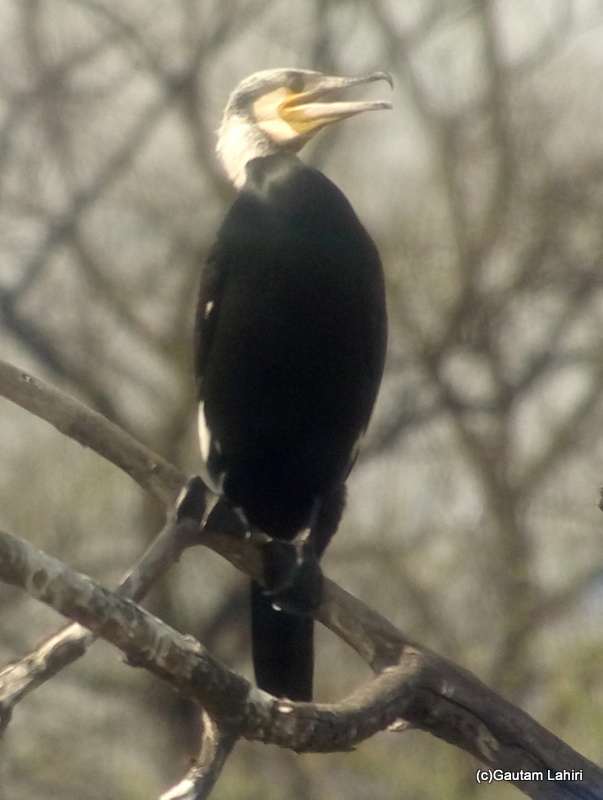
A very evil-looking bird grasped the branches. It was quite big.
A great Cormorant, this one was a migratory species.
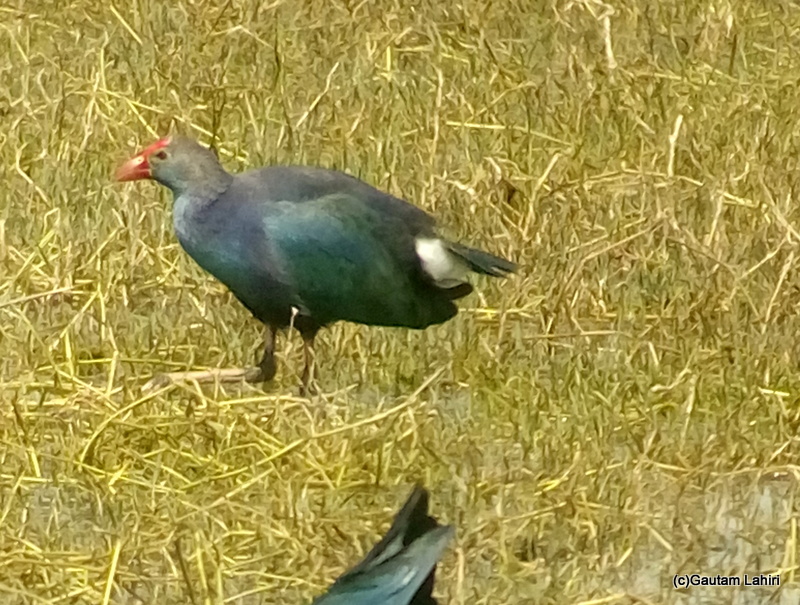
Large numbers of Purple Swamphen rushed across the swamp and was busy dabbling its feathers and beak to search food.
The park was seriously very big and had potentially everything to attract birds and animals of all kinds.

Few raptors or birds of prey flew low in a smooth arc and scared the dabbling ducks away.

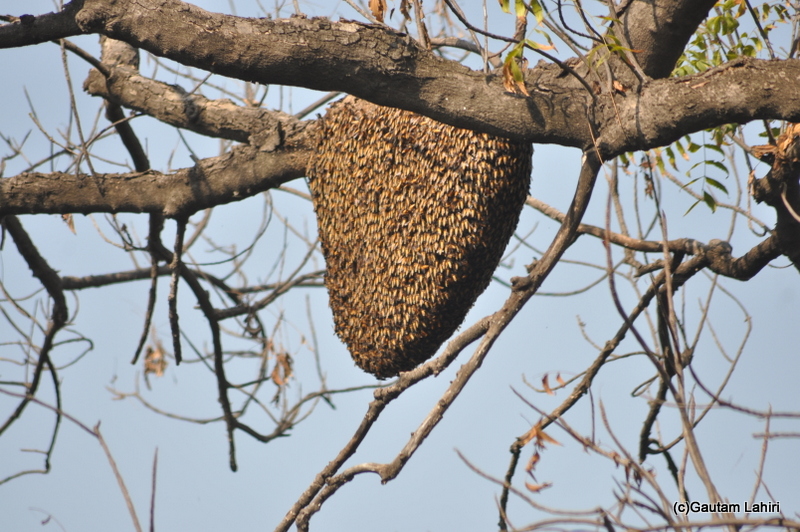
A huge beehive was hanging attracting hordes of green bee-eaters. We kept a distance from it as we passed along.
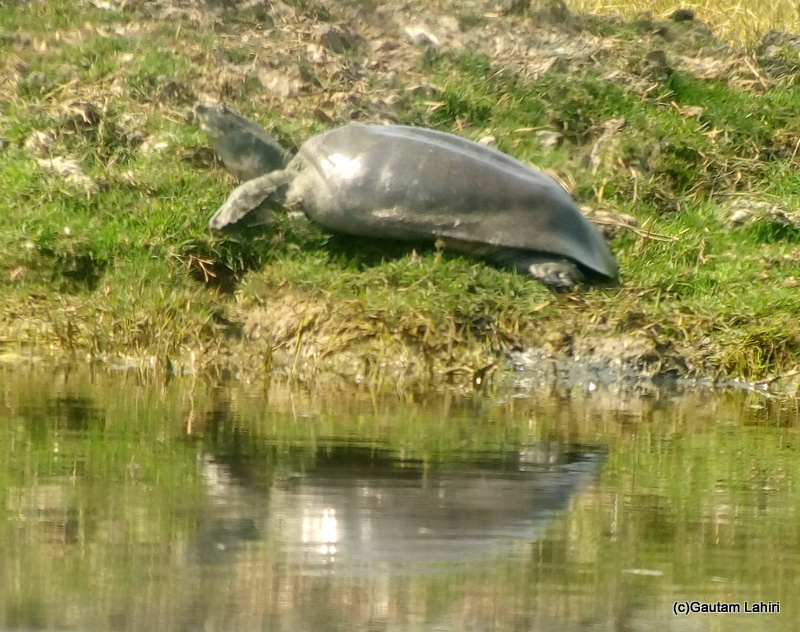
Our eyes also caught sight of a large Gangetic softshell turtle, trying to eat the morsels left by the birds.
Curtains down
Finally, after five hours of park tread, we thought of turning back as physically we were jaded and in spirits, high as we had touched the world of birds and thought of leaving the rest of the park for a second visit.
Picking up a book on birds, from the souvenir shop, we headed back to our good old Swift and in a smiling birdy mood, headed for our part of migration to the nest we called, Gurgaon.

Inference
A paradise for bird aficionados. An incredible variety of birds can be seen.
They all exist in multitude of colors, and sizes. They range from being very beautiful to some looking vile and dangerous.
Did you enjoy the birds of Bharatpur with us?
Bharatpur cannot be covered in one visit as time flew and the variety of vibrant birds existed in large numbers. You cannot but tend to gaze with no stops on the watch.
Until next time…
| Distance from Gurgaon, Haryana to Bharatpur, Rajasthan | 180 Kms |
| Car used | Maruti Swift Diesel 1.2L |
| Diesel used | 5.8 liters |
| Food / Water | Outside food not allowed inside the Sanctuary |
| Best time to travel | Mid December to Early February |


