


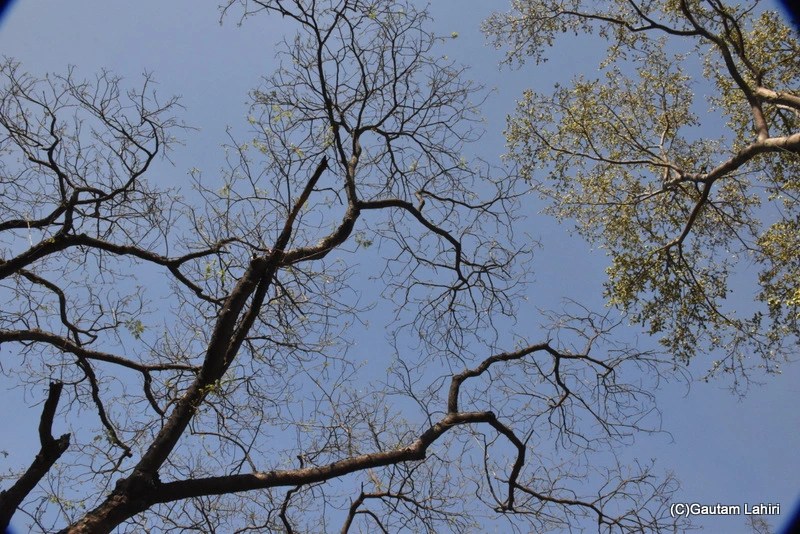
The winter had receded. The unrelenting summer sun had started its fierce rays. It was Eid, a holiday and we made a bold attempt to mingle with the Mughal Tomb garden of Azim Bagh, or popularly known as Sunder Nursery 🌳
Initially, we wanted to pack a lunch, have a history peppered picnic but then decided to walk the past delighting in the local food 🍲
Come, let’s relive the Humayun’s Mughal era …
Fascinating Symmetric Design 🪻
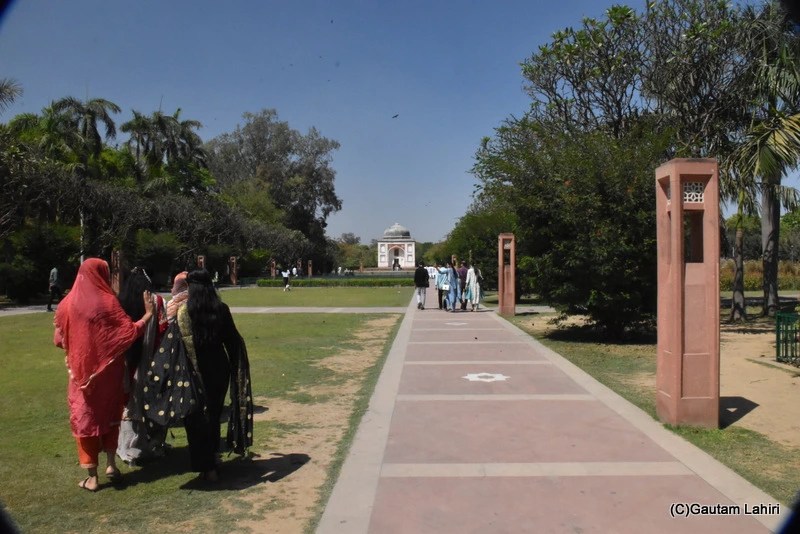
leading to the Sunder Burj in the distance.
Manicured garden with velvet grass
adorned the sidewalks
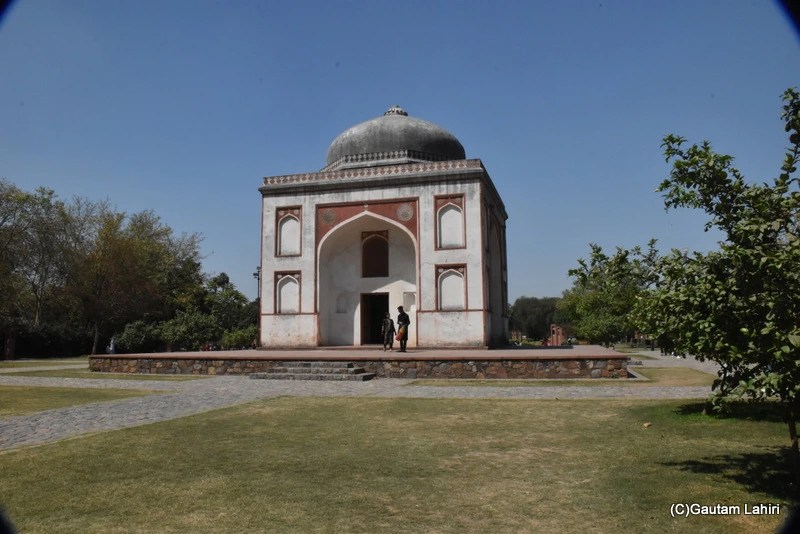
in the center; its glazed tiles and geometric
carvings are a visual delight for any visitor
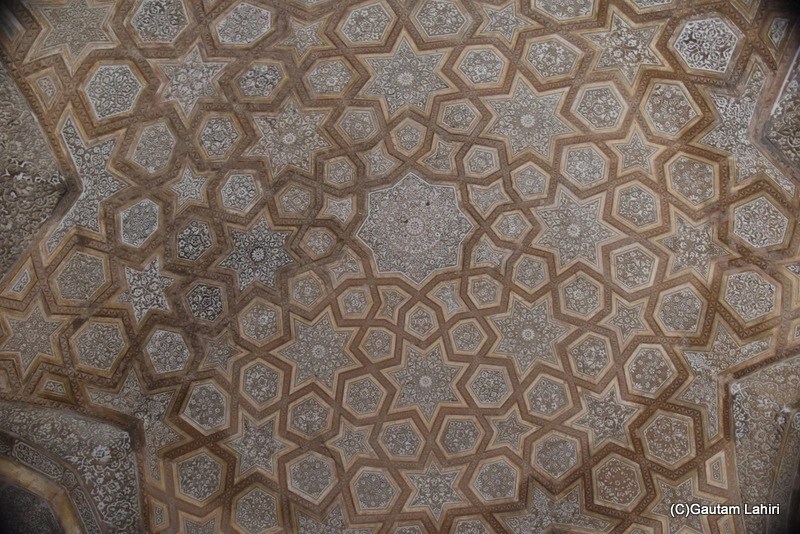
the Sunder Burj with its intricate
geometric design will spellbound a visitor
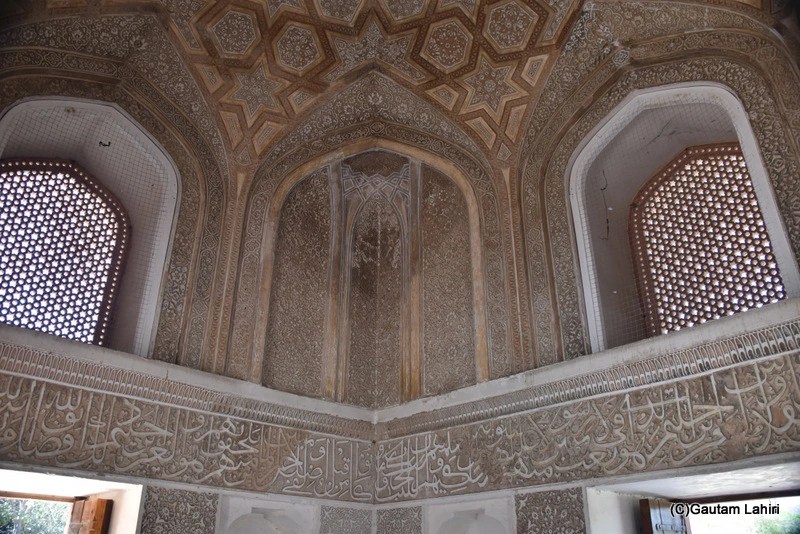
Burj monument on the lintel level was
brilliant, carefully made to match the
historic calligraphic style
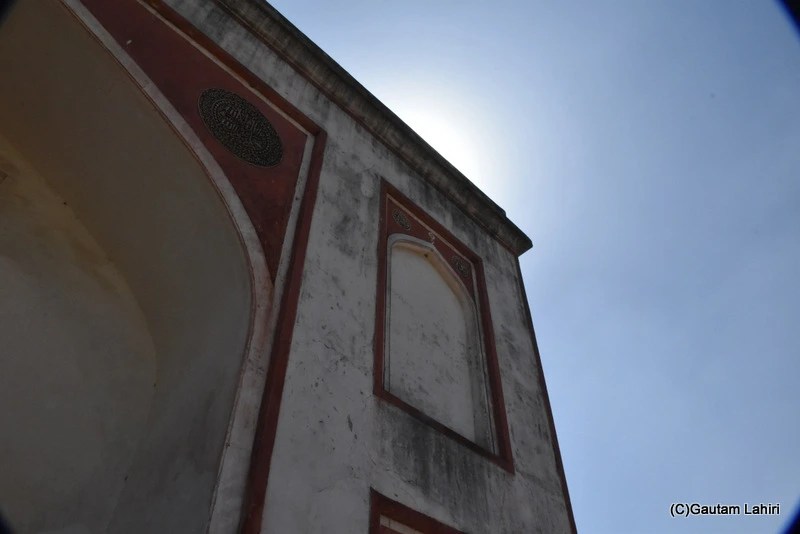
line, bold under the clear blue sky, the
pink walls have seen the rise and fall of
emperors for more than 450 years
Polychromatic Vibrant Gardens
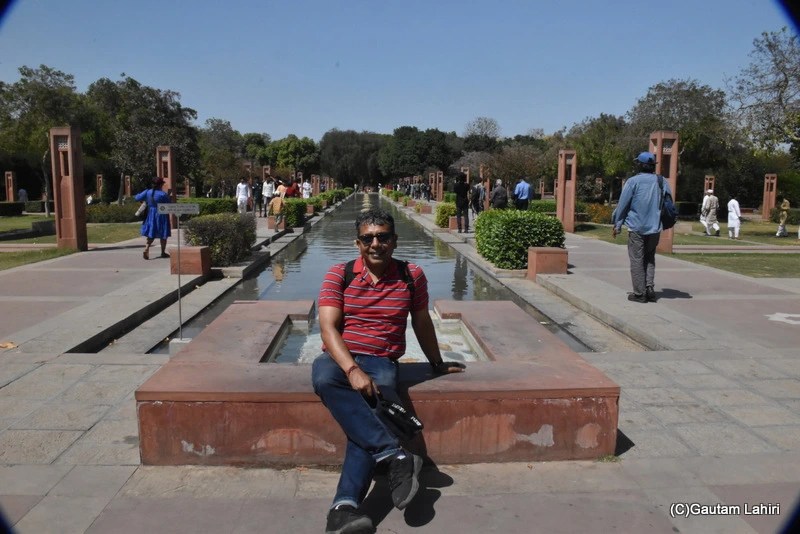
with the central water canal with fountains
with symmetric gardens on either side, the
typical feature of a Mughal architecture
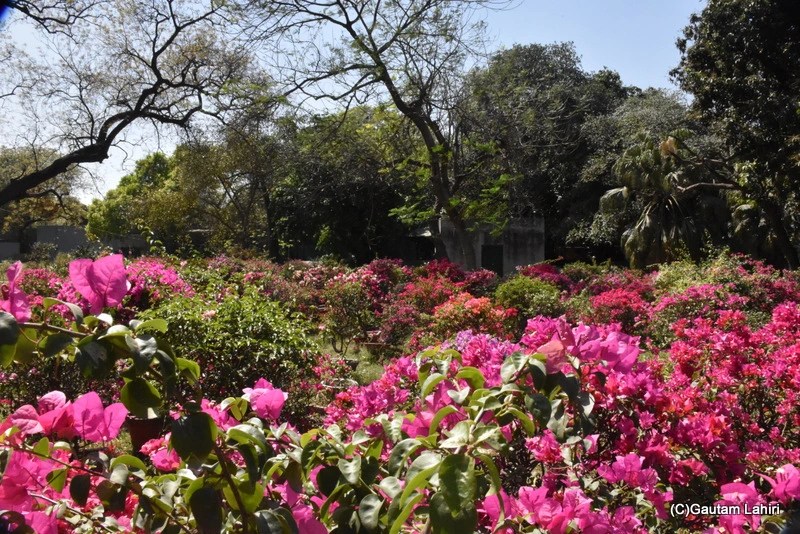
the riot of colors lay like a
carpet under the tall leaning trees
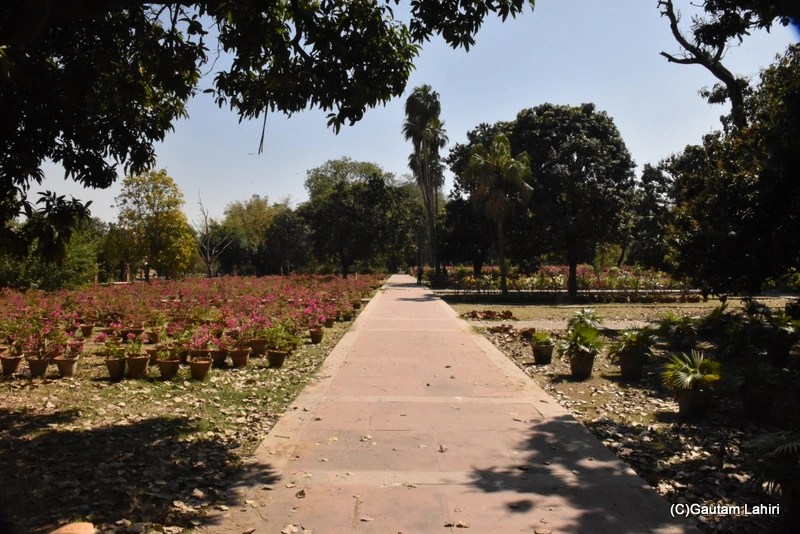
planted trees and plants lined the dry
sandstone walkway. Ages back, the
emperors breathed in the heavy air,
filled with the flowers around
Lone Tomb Structures
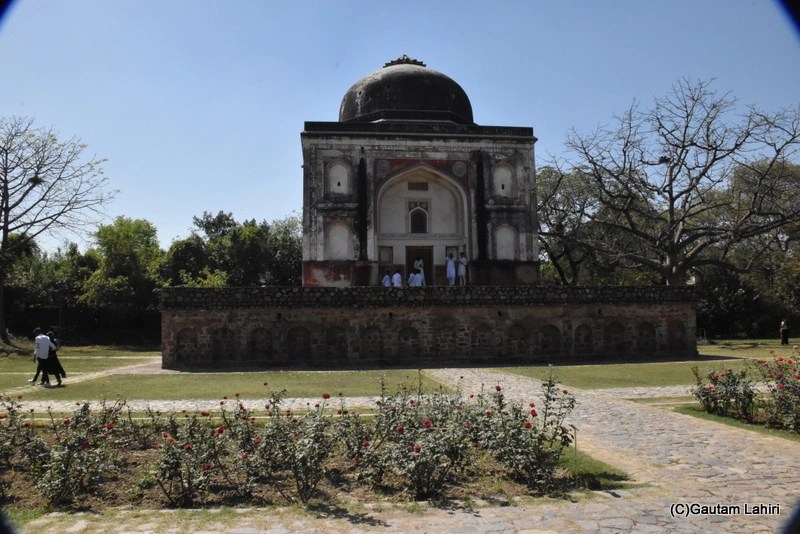
stands the Lakkarwala Burj, built on
an elevated platform, with terra cotta carvings
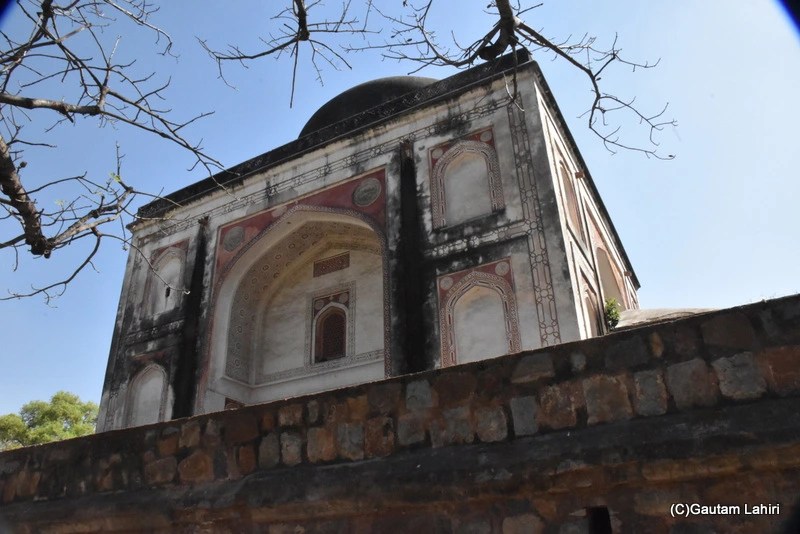
with four arched openings on all sides.
Each of the arches had Quaranic inscriptions
with floral motifs decorating the boundaries
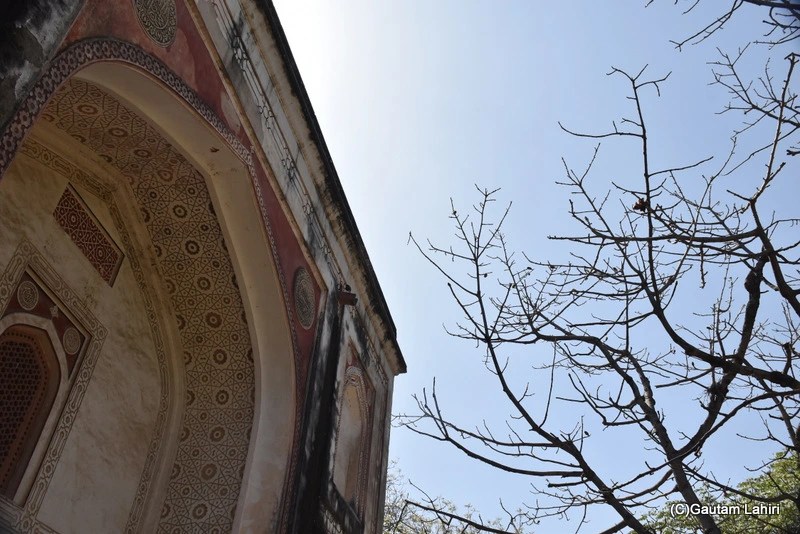
stood the test of time. The dry branches of
an adjoining tree gave an eerie feeling
as it almost grazed the domed tomb
Mughal Pavilion
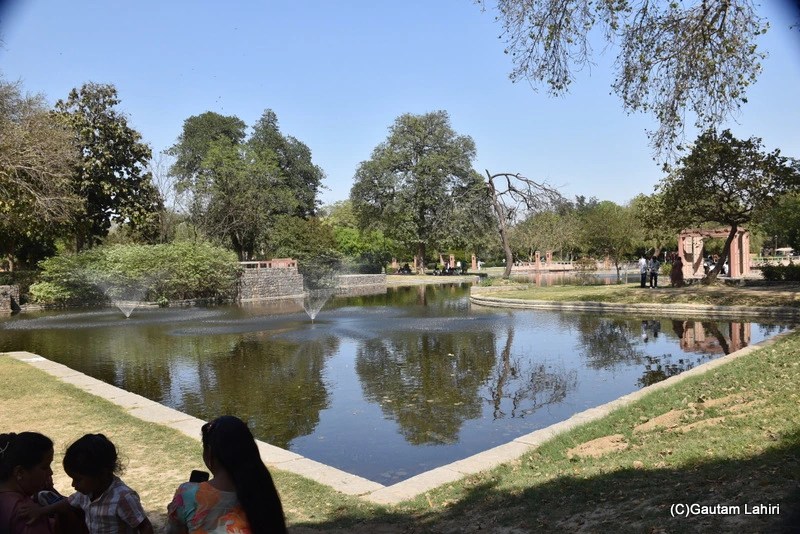
the innumerable water bodies. Mughals
designed the gardens as a replica of
their assumed heavenly bodies
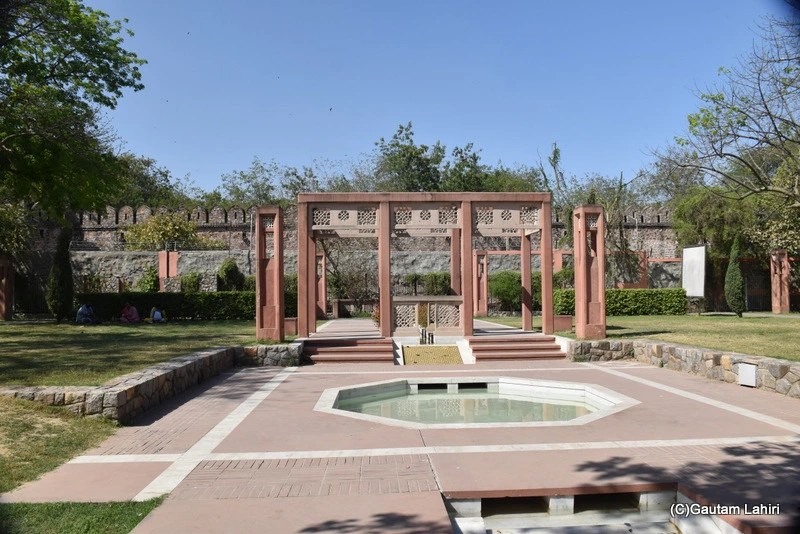
embroidered Mughal Pavilion, a caravan
serai or resting place for travelers, and
traders during the Mughal era. It
consisted 108 rooms across a large courtyard

example of a biodiversity space. Trees,
flowers and lakes create a natural island
within the sea of city life
Sunderwala Mahal
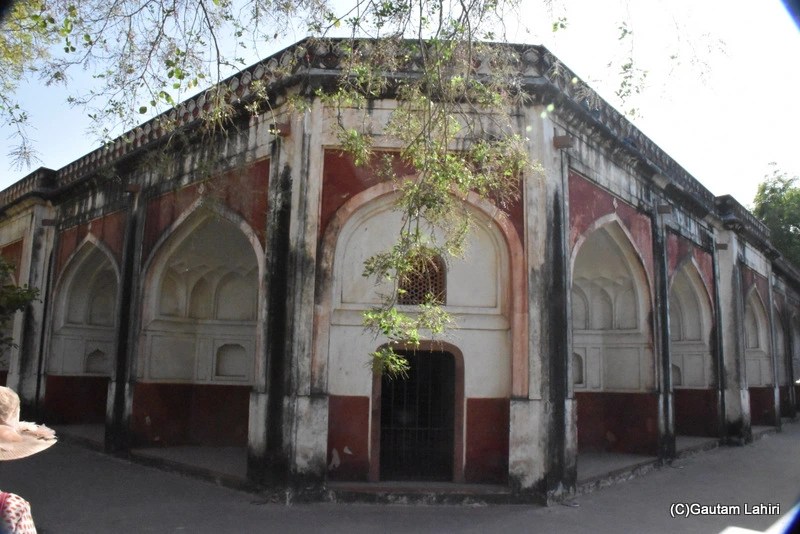
a rectangular edifice of Islamic design of the
Mughal era. Half domed apscs embellished
the four sides of the building
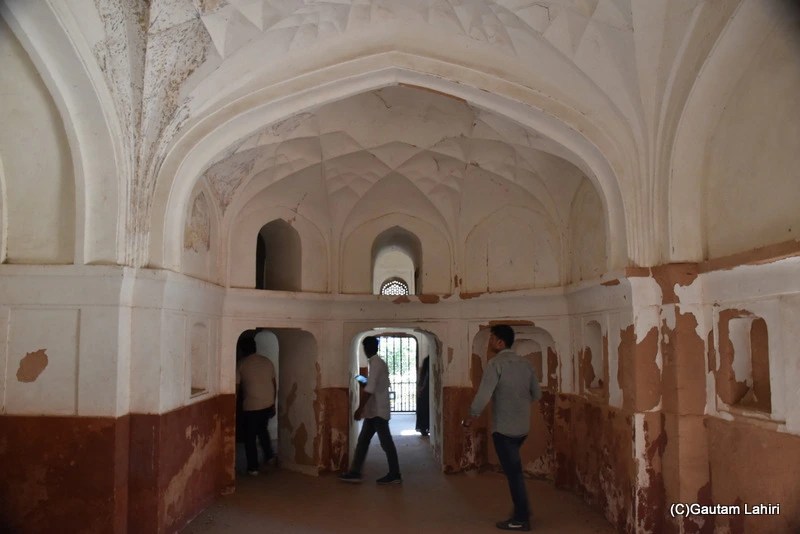
artistic design of Sunderwala Mahal domes.
The decorative vaults on the ceilings
or muqarnas were visible.
It was like a labyrinth of segmented rooms
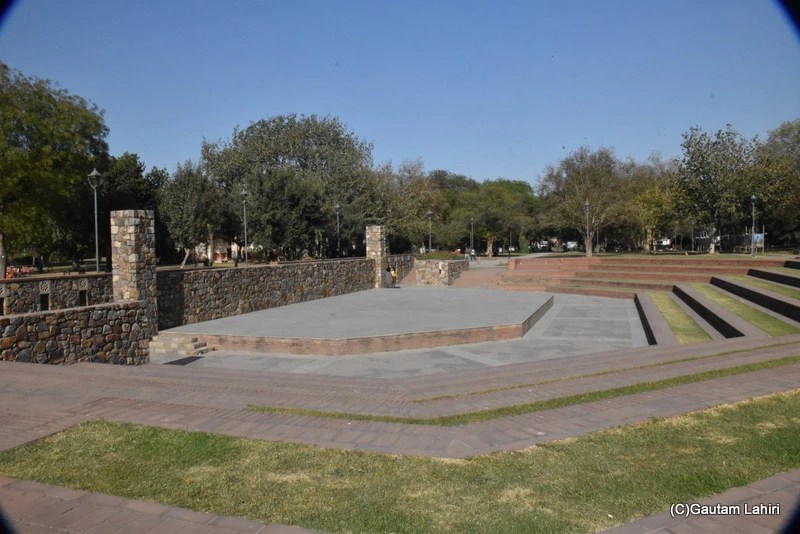
garden of the heavens, we neared the exit.
Mughal geometry at its best
A day of Mughal architecture, excellent gardens and fables of yester years, reminiscing the grandeur of Azim Bagh 🧺
Inference
- Sunder Nursery, a 90-acre heritage park beautifully blends Mughal-era history
- A blend of biodiversity, and contemporary landscape design
- If you’re looking for serenity, stories of bygone dynasties, and a slice of nature, this jewel in Delhi’s heart is your weekend calling
- Originally built in the 16th century during the Mughal era
- Recently restored under the Aga Khan Trust for Culture in collaboration with CPWD and Archaeological Survey of India (ASI), and reopened to the public in 2018
| Distance from Gurgaon to Sunder Nursey / Azim Bagh | 32 Kms |
| Pocket pinch | Rs.50 for Indian Adult, Rs.200 for Foreign nationals, Rs.25 for children |
| Best time to visit | Late November through mid March |
| Activities | Picnics, heritage walks, and bird watching 🐦 |
| Parking | Available at Sunder Nursery, Rs. 50 for first 4 hours and Rs.20 for subsequent hours |


 SPITFIRE GAUTAM