

Trek with me into the burned sandstones of Purana Qila, where centuries of Mughal and pre-Mughal history whisper to the heated air and crumbling ramparts 🧱
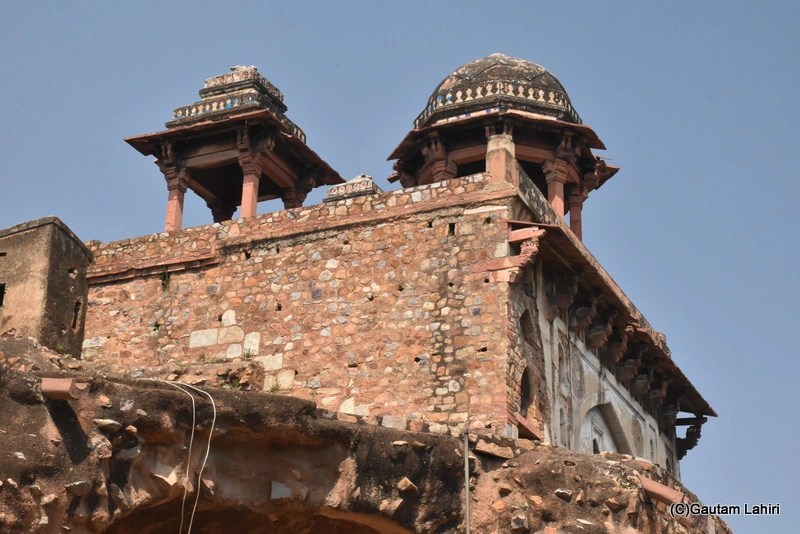
wind had tarnished the Talaqi Darwaza
of Purana Qila
Parked my car about 300 meters from the ramparts of Purana Qila, an imposing fort that stood since 1533 AD.
It was March end, the dying coolness of the North Indian winter lingered on 🌸
Pandavo Ka Qila 🛡️
Climb the uneven grounds of the fort that have seen bloody battles ⚔️, the rise and fall of the kings across several empires 👑
The unique history will astound you.
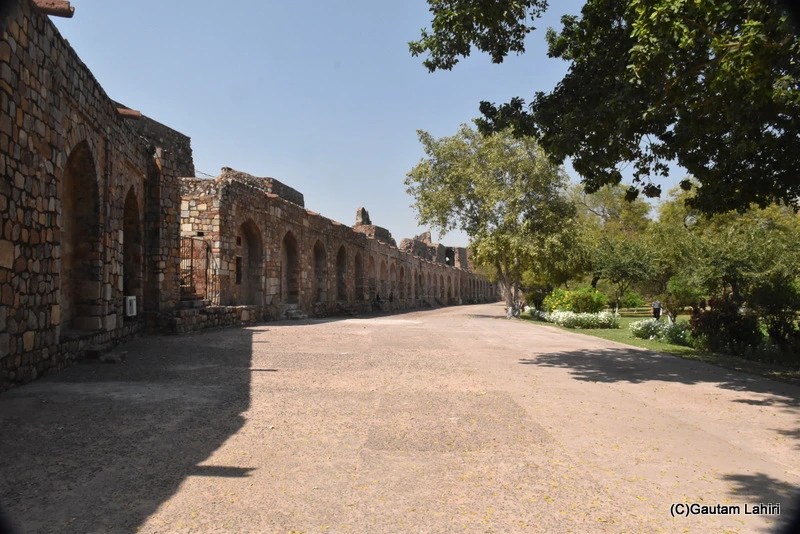
for a kilometer or so along the fort’s western
fringe merged with the Talaqi Darwaza
Sher Shah Suri, the lion king of the ⚜️ Delhi Sultanate remodeled Purana Qila after he defeated the Mughal king, Humayun in 1540 AD, at the battle of Kannauj. He named the fort as Shergarh.
The 6th city of Delhi 🏛️ was established.
Indraprastha of Mahabharata, the legendary
city of the Pandavas that existed
thousands of years ago
Due to its present site, Purana Qila is also known as Pandavo Ka Kila. We will see a few of the artefacts 🪓 when we scout the area.
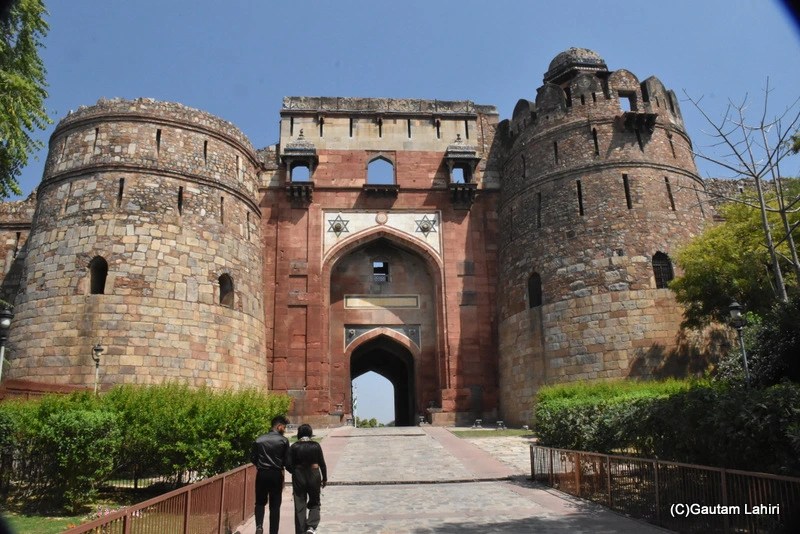
imposing structure was built by Humayun,
the Mughal king as part of his new city
which he named “Dinpanah” in 16th century
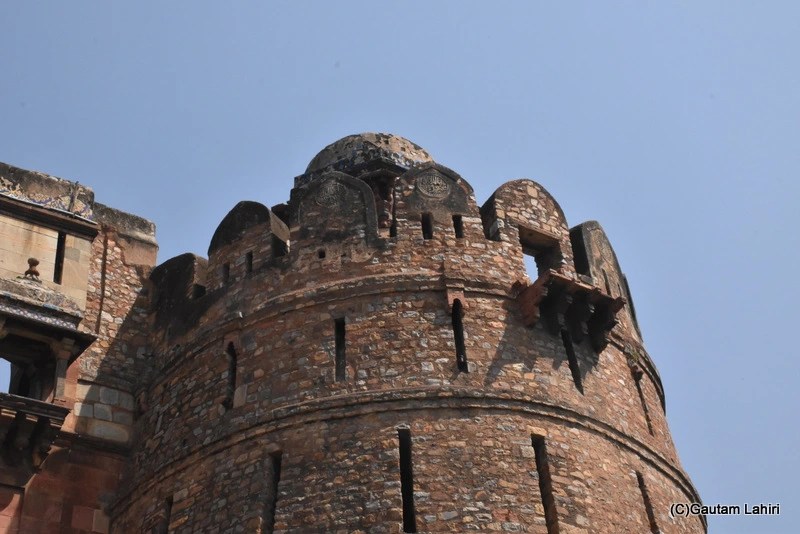
bastions at each fort wall corner. You can
see “Talaqi” or “Chhatris” on the gateways
which exist on the North, West and
Southern boundaries. “Jharokha”, stone
platforms jut out for strategic inspections
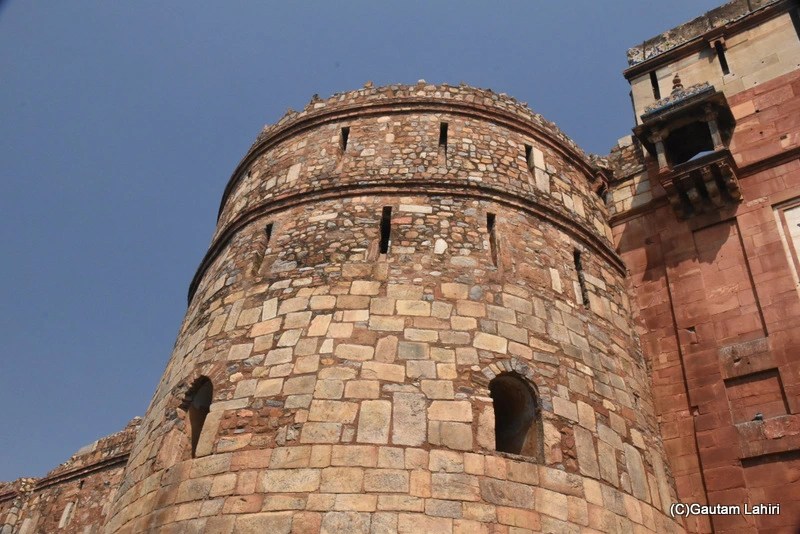
These ‘Kanguras’ or merlons run along
the complete boundary wall and
defended against the enemy attacks
Bara Darwaza 🚪

to the fortress constructed by Humayun.
You can see the inlay patterns of marble and
sandstone. Metal reinforced tall thick
wooden gate with rivets protected the fort innards
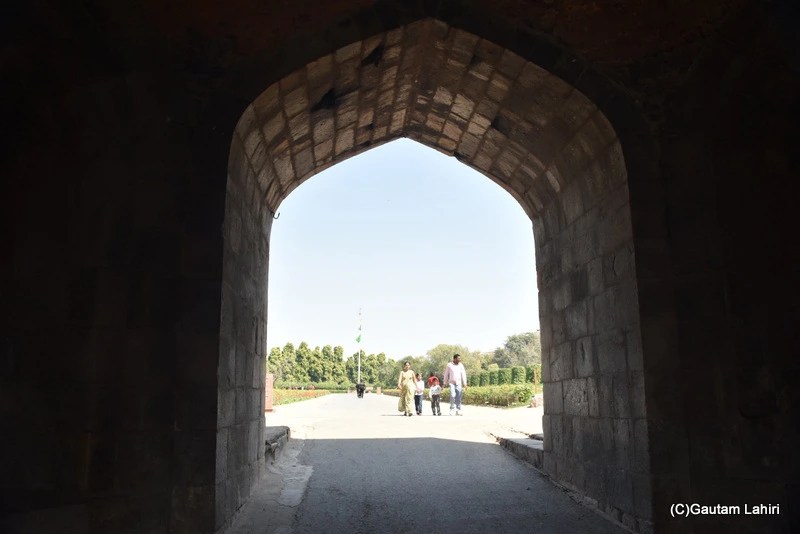
the fort, a long road, now metaled one
that replaced the old cobbled one leads
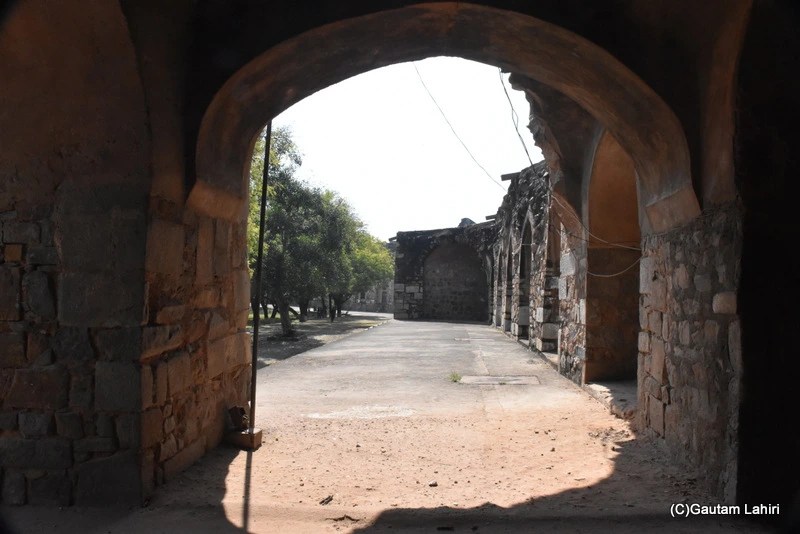
into the fort interior. Thick rock and
sandstone arches form the gate ceiling
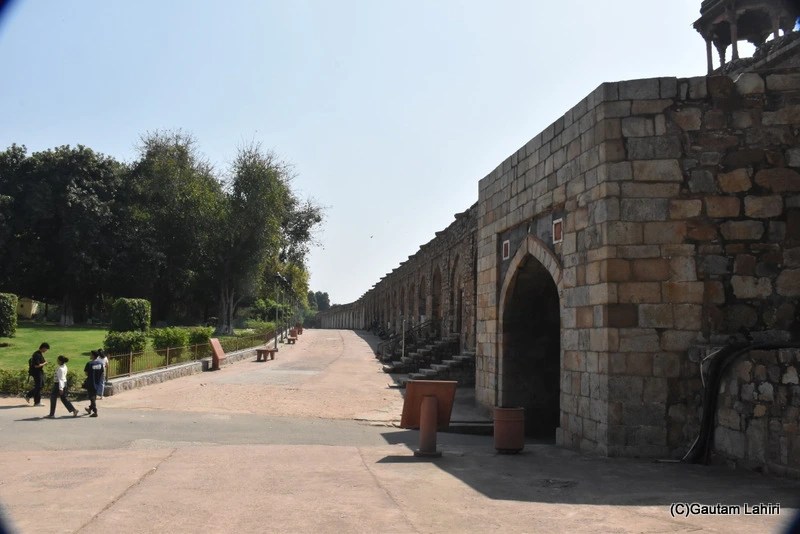
sides, well paved roads extend to the
northern and southern ends of the Qila.
Segmented rooms, once the refuge of the
soldiers with broken steps
hunker down to the velvet green pastures
Broken Soldiers Quarters 🏠
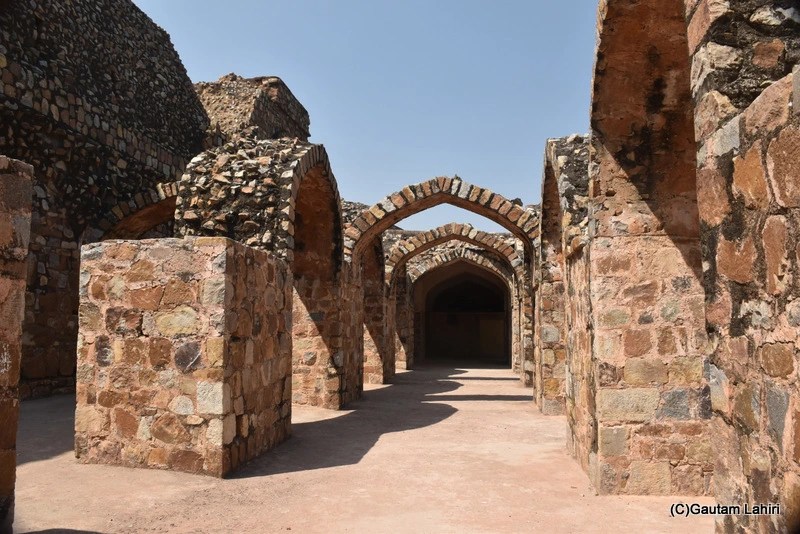
sandstone walls glued with rubble stand as
erect as they did, 450 years ago. The well
built arches still hold good defying the natural elements
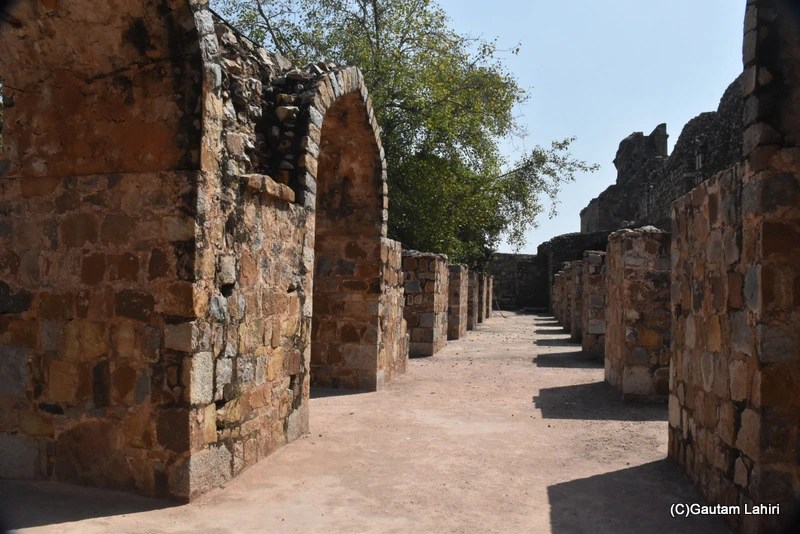
fort narrowed down and turned slightly
inwards towards the forbidden gate,
Talaqi Darwaza
Talaqi Darwaza ⛩️
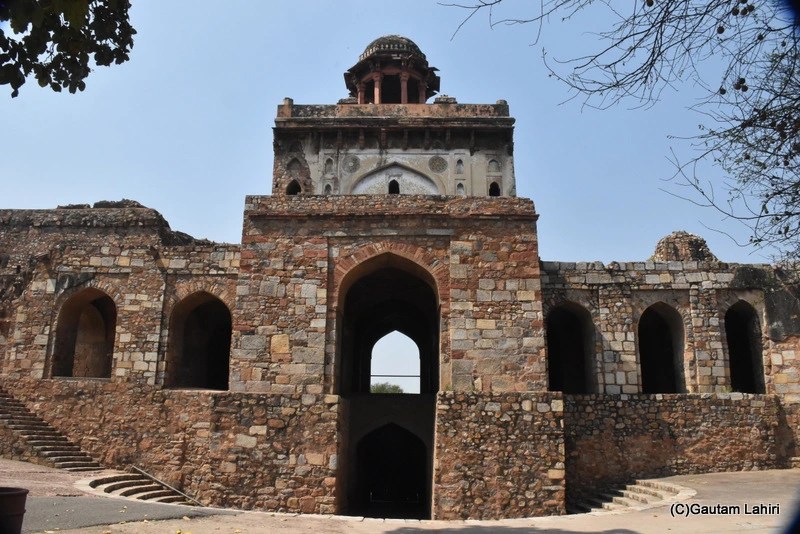
Talaqi Darwaza or the forbidden gate.
17 meters in height, it has two entrances –
a lower level at the moat height and another
above it, more ornamented
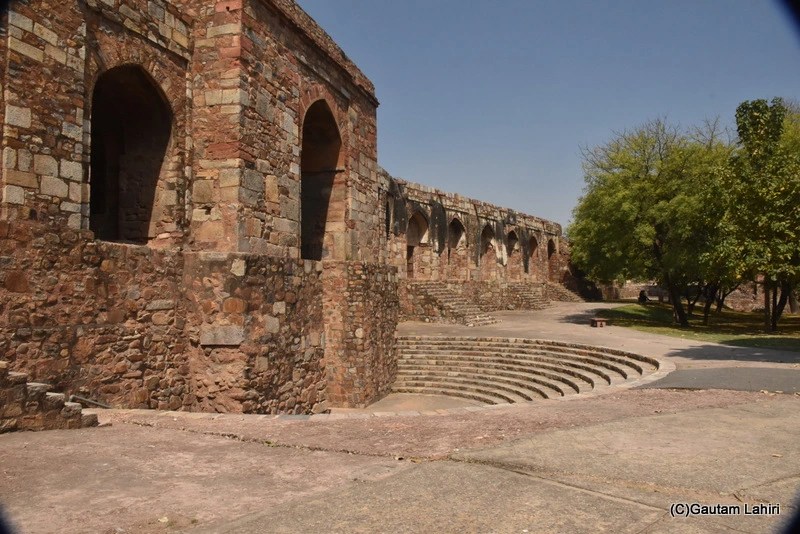
“gate of special entry,” is believed to allow
only royal family members, including the
emperor, his children, and ladies of the harem to pass
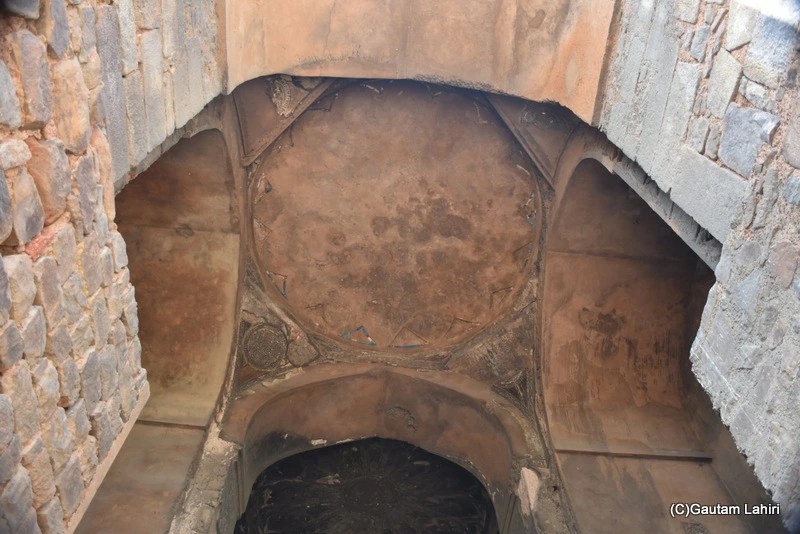
to the moat level, lay in ruins. Gone are
the artistic inlay work of marbles. Only the
burned sandstone with rubble stared at
the visitors, a broken wooden and metal
gate remained shut forever
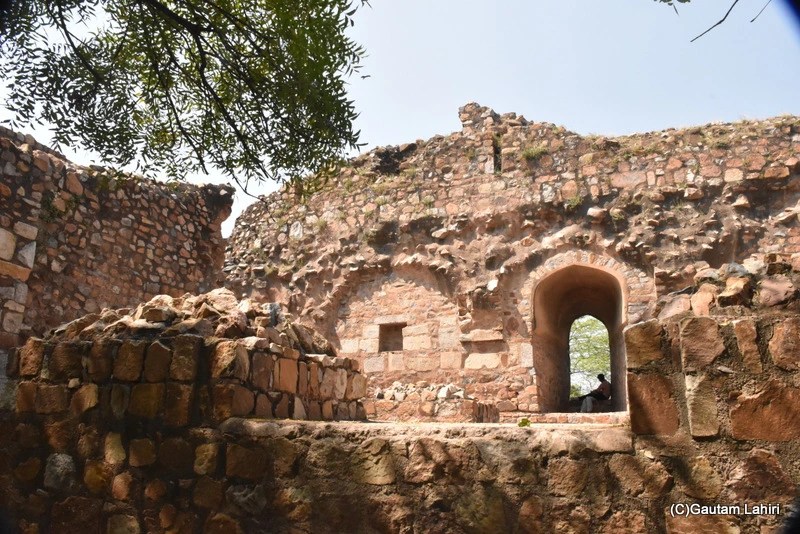
that lay in ruins. These had small arched
recesses which perhaps have heard the harsh
commands of the soldiers or may still
echo the quiet Urdu under tones of
veiled women, a visitor can only imagine
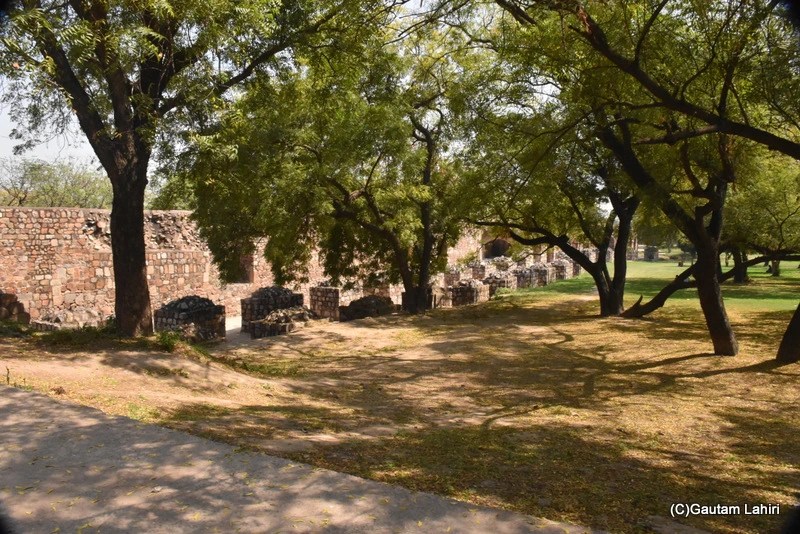
was strewn with long corridors of
similar broken structures. Chiseled
and broken pillars stood in a line
opposite to domed shallow rooms
Main Fort Citadel 🏰

uprooted may have housed the kings
and queens. These fortified edifices protected
them from enemy cannons when the
outer wall gave way to the intruders
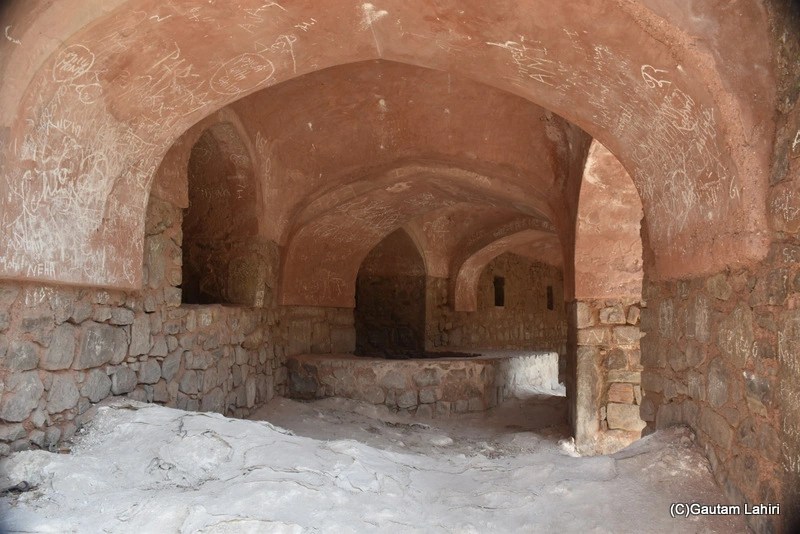
soldiers or the inmates of the fort. Long
circular sandstone pathways spiraled inside
had muqarnas designed ceilings, a typical
Islamic architecture

thinking about the arched ceilings and the
long winding pathway. It was much cooler
than the outside heat. This area may have
seen brisk movements of the sword
swinging soldiers of the past era. Gave
me goosebumps thinking about them, so
different was our times than theirs
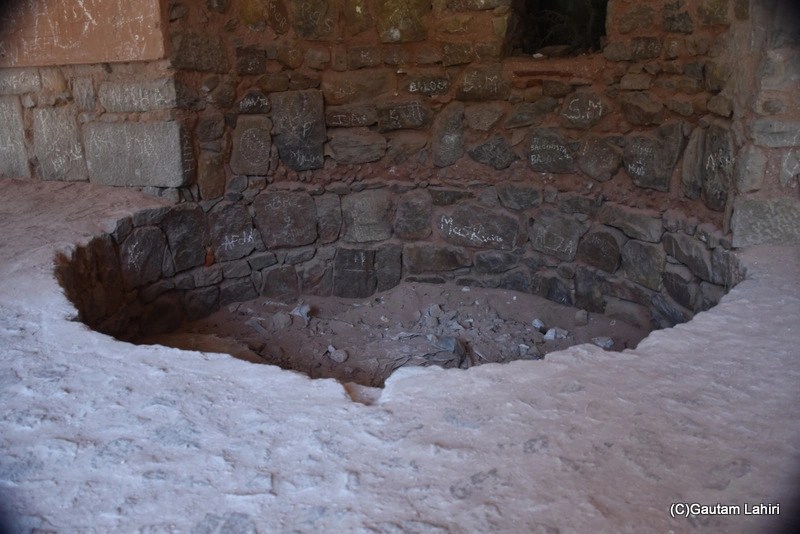
what was this for? Did they take bath or
washed their utensils after having a hearty
meal or cleaned the blood dripping
swords after the battle; I kept wondering
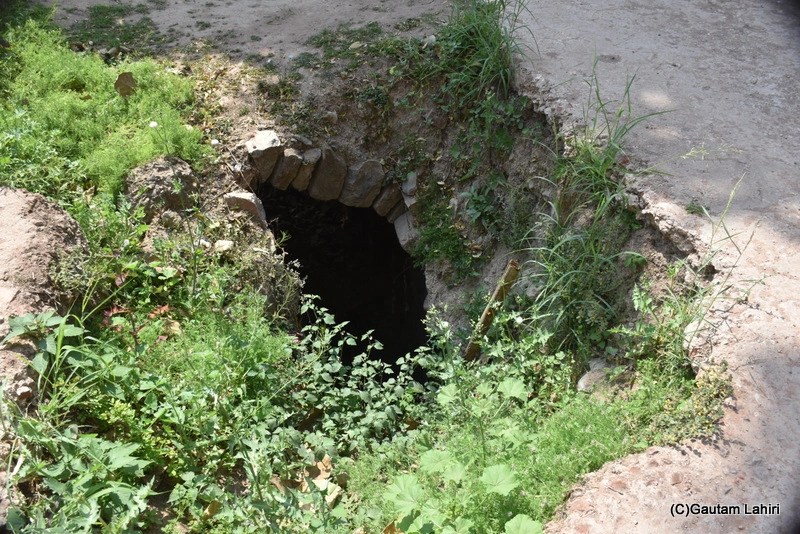
made my way towards a mosque. On the
way I saw this opening in the fort ground
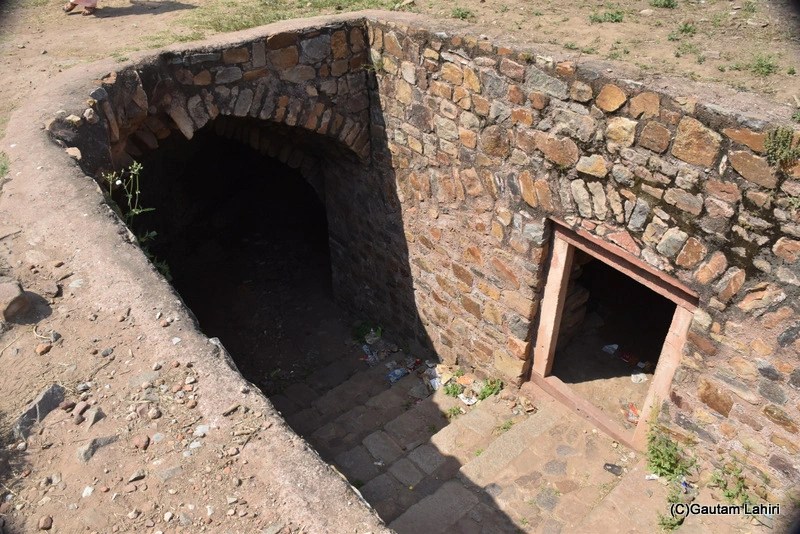
an opening, perhaps to a tunnel or olden
large stone laden pipes that carried waste to
the nearby wasteland. This door must have
been used for maintenance purposes
Qila-E-Kuhna Mosque 🕌

built by Sher Shah in 1541 to bring
people together in a congregation. The
Mughal architecture style can be seen
with its distinct four octagonal turrets
at the corners
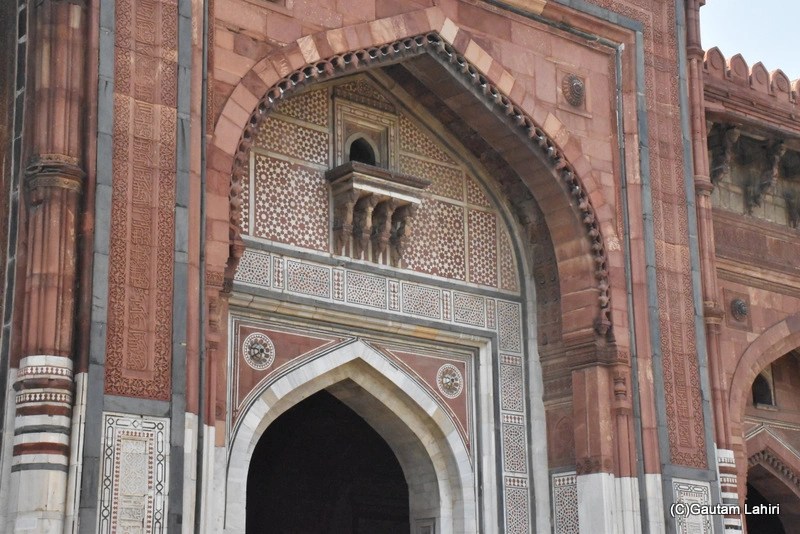
decoration, artistic rendition of red and
yellow sandstone, white and black marble.
A short jharokha stuck out for the Imams
to deliver messages to the inmates

flower motifs were embossed on the
mosque marble and sandstone wall. They
were dark, and looked purposeful

and scooped decorated cubicles with
beautiful inlay work. It would have been a
peaceful place but due to Eid, a huge crowd
flocked for a glimpse
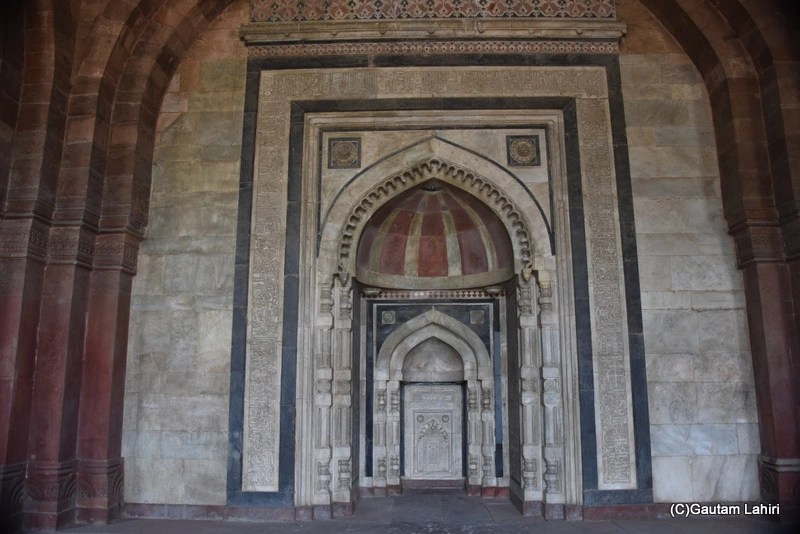
wall of the mosque indicating
the prayer direction
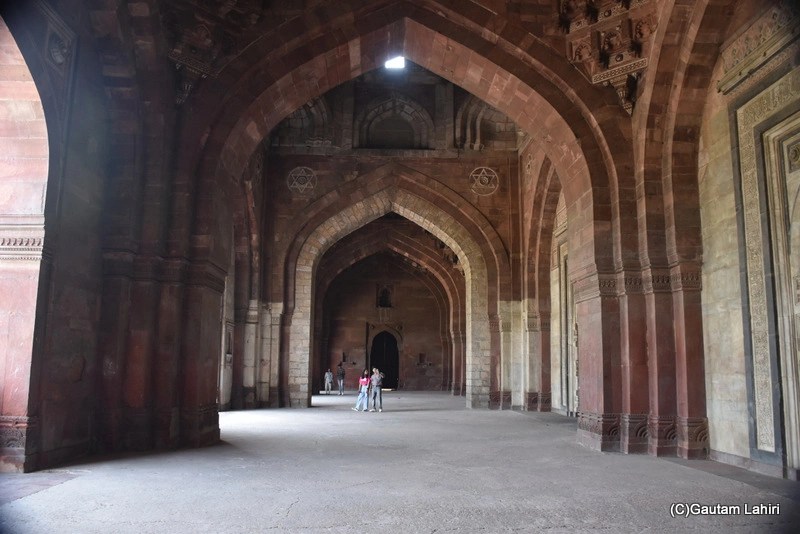
square-shaped space, with a large central
space for worshippers. Divided by arches
supported on red sandstone or marble columns

where the prayer took place. The dome red
sandstone and marble work had weathered
away with time

doors. Wooden door with iron inlays and
rivets embellished the mosque wall. The
courtyard or Sahn was behind me. The
arched door with lotus design
made you stare
Hammam, Royal Bath 👑🛁

royal bath house place square off the center
of the fort. The terracotta pipes and ribbed
water chute are still present even
after years of ravage

even a steam room for the nobles. The water
treatment was an important part
of the Mughal culture
Sher Mandal 🕌📚

sandstone with strips of marble was built
by Sher Shah in 1541 AD. Each side had
recessed arches and was the library
during Humayun’s reign

geometric patterns was made a library by
Humayun. Humayun died here in
1556 AD after he fell from the stairs
on to the ground
Baoli (Step Well) 🕳️🪜💧
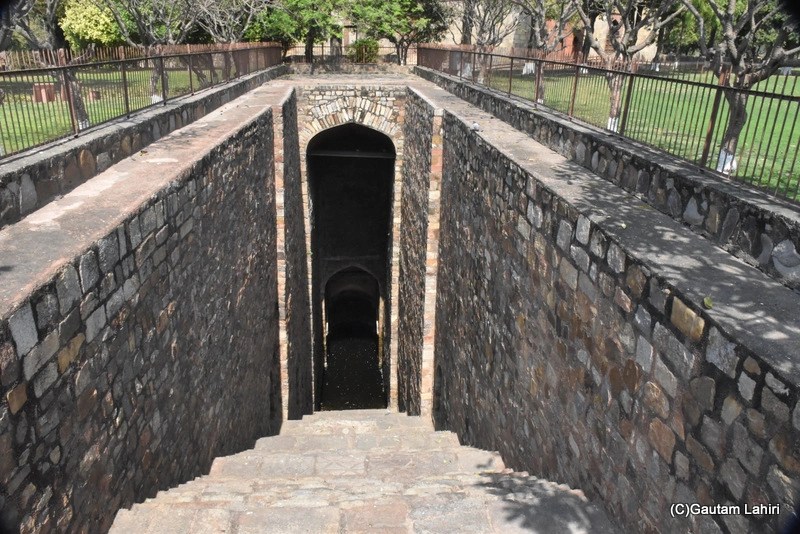
this fort designed this as a source of ground
water; it remained covered to remain clean.
A bunch of receding arches made the
ceiling of this well that lead to a circular
well 22 meters down
Central Fort Road 🏰🚶
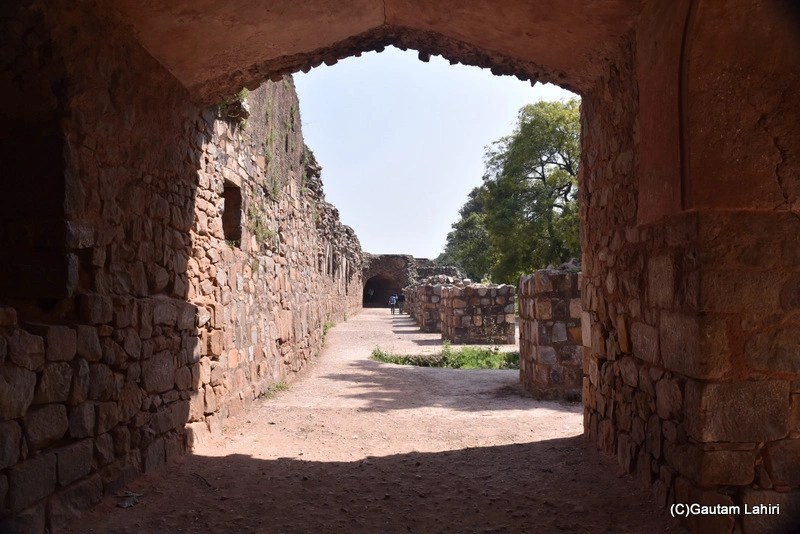
ruined fort, followed the same footsteps of
those bold battalions. Only difference is that
I am holding a 21st century DSLR camera
and the fort owners held 16th century
glistening swords and musket rifles. I made
my way to the central fort road as stories
of the past put me in a whirlwind

into two halves. Tall palm trees stood from
within the flashing green gardens on either
side of the road. On my back, the road
lead to the Humayun Darwaza
Excavation Site ⛏️🏺
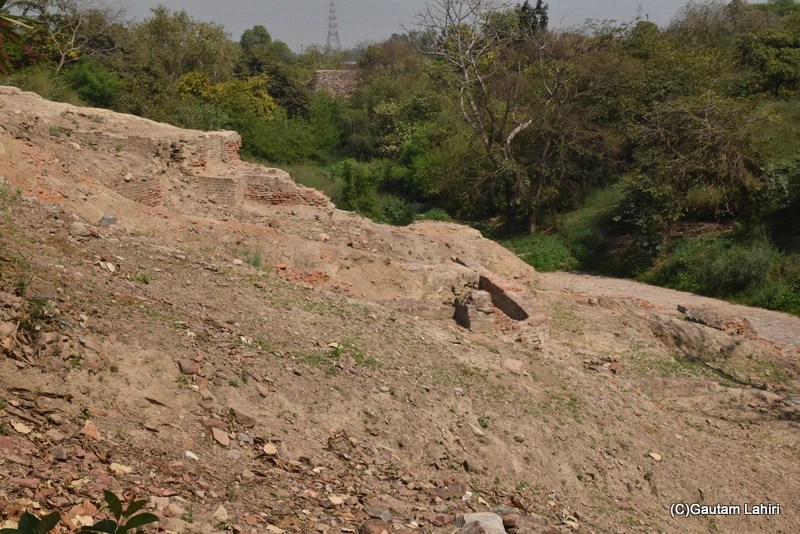
descends alarmingly with the surrounding
green patches way down. A broken small
hillock comes up on the left. At the base
of this a circular area with exposed barren
brick lined structure is visible. The
excavation site came up
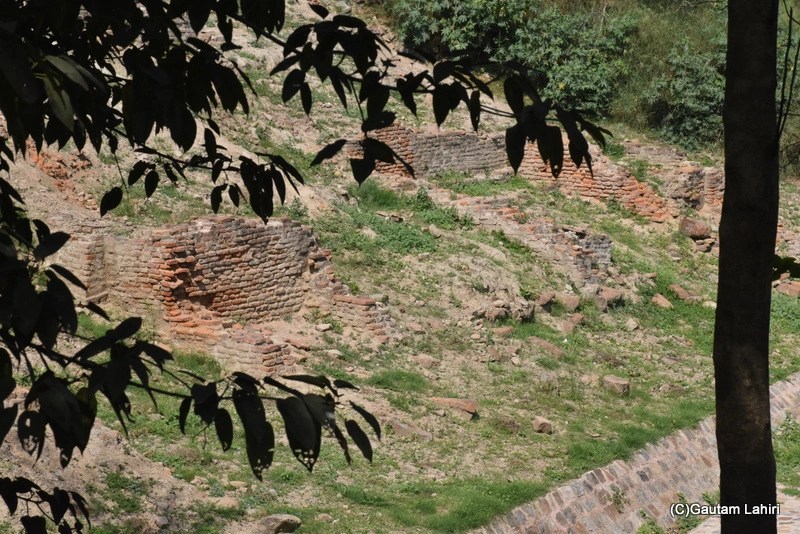
archeologist teams dug up to unearth the
history. The city of Indraprastha left
articles, lost in time. Painted Gray Ware
artefacts from the Sunga Kushan
periods were found

of Northern Black polished Ware from
600-300 BC era. The chronology could
be seen. Sunga > Saka-Kushan > Gupta >
Post Gupta > Rajput’s > Delhi Sultanate
and lastly the Mughals. The British just
maintained them to their whims
and fancies
Humayun Darwaza 🏰🚪
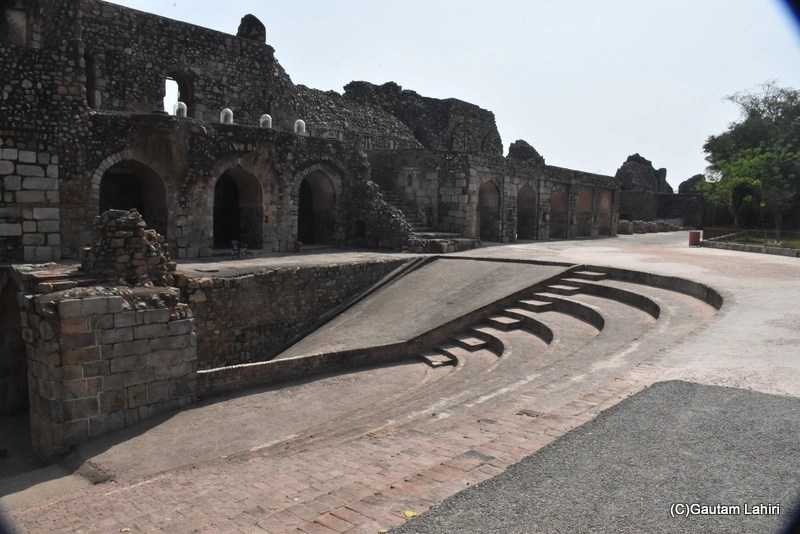
Purana Qila built in 16th century by
Humayun and later finished building by
Sher Shah Suri. This grand gateway is
believed to be the main southern entrance
of the fort. Circular steps cover the entrance
base as they descend down to the gate itself

elements — arched entrances, red sandstone
with white marble inlay, and intricate
jharokhas (balconies). It once went into the
walled city, “Dinpanah”, Humayun’s
capital. This gate has witnessed the
turbulent Mughal-Suri power clash
and stands as a silent sentinel

boundary, you are seeing the far away fort
wall from the Humayun Darwaza. Relics of
stone structures can be seen, perhaps long
line of pillars that held more
quarters, now gone
The Fort Moat

fort wall just before the museum shows the
long shadows of the western sun as it
dips to set. I too, tired move towards the fort
exit making a full circle along the
fort perimeter wall
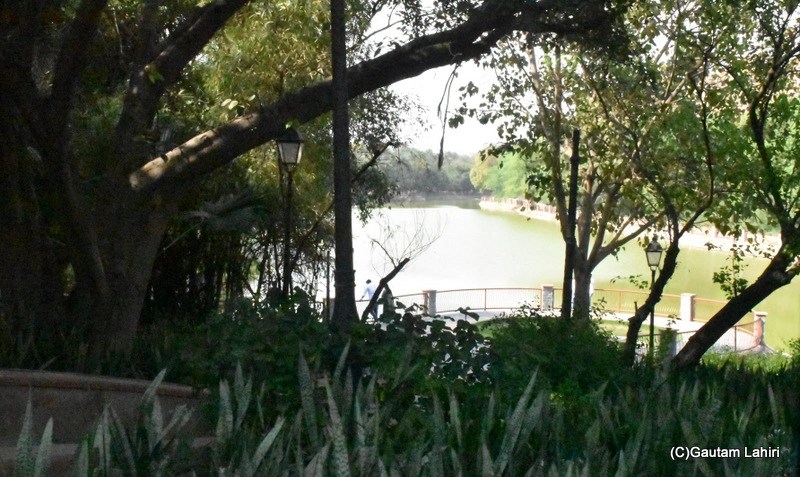
the exit too has the moat which encircled
the fort can be seen. The water body
has now been turned into a lake where you
can relax on a paddle boat and see the
ancient fort and be lost into
its stormy past
Well, how do you feel to stand before the grand old fort 🏰🚪where emperors once walked and 🛡️battle cries heard.
Thanks for tuning in ☺️
Inference
- The fort was built by Mughal Emperor Humayun as part of his capital city Dinpanah, meaning refuge of the faithful, making it one of Delhi’s oldest surviving forts
- Sher Shah Suri after defeating Humayun took possession and strengthened the fort’s defenses
- The fort has three grand gateways — Bara Darwaza, Humayun Darwaza, and Talaqi Darwaza — each a fine example of Mughal military architecture of Indo-Islamic design
- Excavations suggest settlements as old as 2500 years with links to Indraprastha city
- In 1857 the fort was used by the British to safeguard their families during the anti British revolt
- The New Delhi Zoo is right next to the Purana Qila on its south western side
| Distance from Connaught Place to Purna Qila | 6 Kms |
| Pocket pinch | Rs.25 (online) and Rs.30 (offline) for Indian Adult, Rs.300 for Foreign nationals, free for children below 15 years |
| Best time to visit | Late November through mid March |
| Activities | Exploring the ruins, the fort museum and New Delhi Zoo 🦓🐘🦒 |
| Parking | Available at New Delhi Zoo, Rs. 55 for first 4 hours and Rs.20 for subsequent hours |


 SPITFIRE GAUTAM